14 hr
Meteora Monasteries Full-Day Tour from Athens
- Expert local guide
- Small group
- Skip-the-line access
- Free cancellation
Meteora Private Tour From Athens — Exclusive Monastery Access
Byzantine sanctuaries on vertical rock pillars, reached by your private driver-guide from the capital
Compare fares, pick the fit — all bookings are mobile-voucher and eligible for free cancellation where shown.
14 hr
14 hr
14 hr
Selecting the right access level for your meteora private tour from athens depends on your preferred pace and interest in exploring the interiors of these historic religious sites. Whether you prioritize climbing to the highest peaks or prefer the ease of level-ground access, each monastery offers unique cultural insights as a UNESCO heritage site.
|
Top pick Standard Access Individual Entry |
Flexible Tour Customized Logistics | |
|---|---|---|
| Conservation Fee | 5 EUR per person | 5 EUR per person |
| Access Method | 200 steps average | 200 steps average |
| Timed Entry | No (Individual arrival) | Flexible scheduling |
| Best Arrival Window | 09:00–11:00 | 09:00–11:00 |
| Monastery Access | Single monastery entry | Multiple monasteries per tour |
| Best for | Independent visitors | First-timers seeking guidance |
| See tickets & prices |
Verdict: For a comprehensive experience that manages complex schedules, a meteora private tour from athens is recommended for first-time visitors.
Worth it for time-pressed travelers
A meteora private tour from athens delivers value through pure efficiency: the 350 km journey becomes door-to-door transport with zero planning overhead, turning a logistically complex trip into a single-day experience. Public transport requires an overnight stay in Kalabaka plus advance train bookings, while private options compress the round trip into 10–12 hours with flexible departure times. The 5 EUR conservation fee per monastery remains identical regardless of how you arrive, so the cost difference hinges entirely on transport and guide expertise. Private tours include commentary on the rock formations and monastic history during the drive, plus access to elevated viewpoints that rental cars struggle to reach on narrow cliff roads. For solo travelers or pairs, the per-person cost approaches small-group rates, making meteora private tour from athens tours a marginal investment. Families of four see better math, splitting the fixed vehicle cost while avoiding overnight accommodation expenses. Skip it if you value slow travel or plan to explore Kalabaka's hiking trails—the rushed schedule leaves no room for independent exploration beyond the three-monastery circuit most private tours cover.
Bottom line: Private meteora private tour from athens tickets make financial sense when your Athens itinerary cannot accommodate a two-day absence and you're traveling with at least two companions.
They complement each other; most visitors who do both call the meteora private tour from athens the more relaxing and insightful option, while driving offers unmatched freedom.
|
Top pick Private Guided Tour |
Self-Drive Rental | |
|---|---|---|
| Transport Type | Luxury private vehicle | Rental car |
| Navigation | Professional driver-guide | GPS and road maps |
| Flexibility | Fixed but efficient | Unlimited personal schedule |
| Monastery Access | Skip-the-line assistance | General queue entry |
| Expert Insight | Local historical narrative | None (self-guided) |
| Logistics | Door-to-door comfort | Requires parking/navigation |
| Intensity | Low physical effort | High focus required |
| See tickets & prices |
Verdict: Choose a meteora private tour from athens for a stress-free, deeply educational experience, or rent a car if you value the flexibility of exploring monastery access points on your own timeline.
Hand-picked experiences loved by thousands of travelers
14 hours
Free Cancellation
Journey through ancient Greece visiting legendary battlefields, clifftop monasteries, and sacred archaeological sites
10 hours
Free Cancellation
Journey to clifftop monasteries and ancient battlefields on this full-day private excursion through Greece
10 hours
Free Cancellation
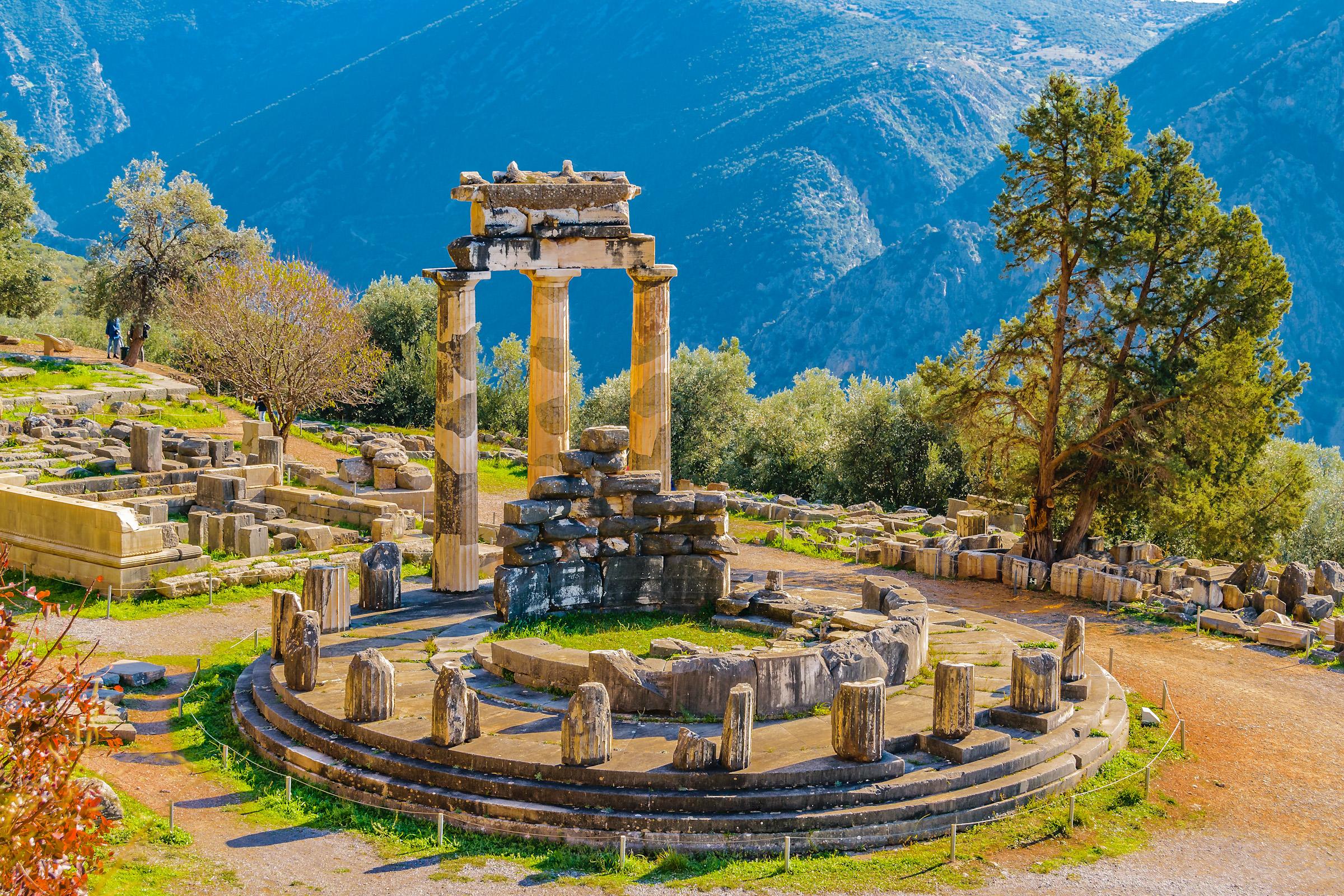
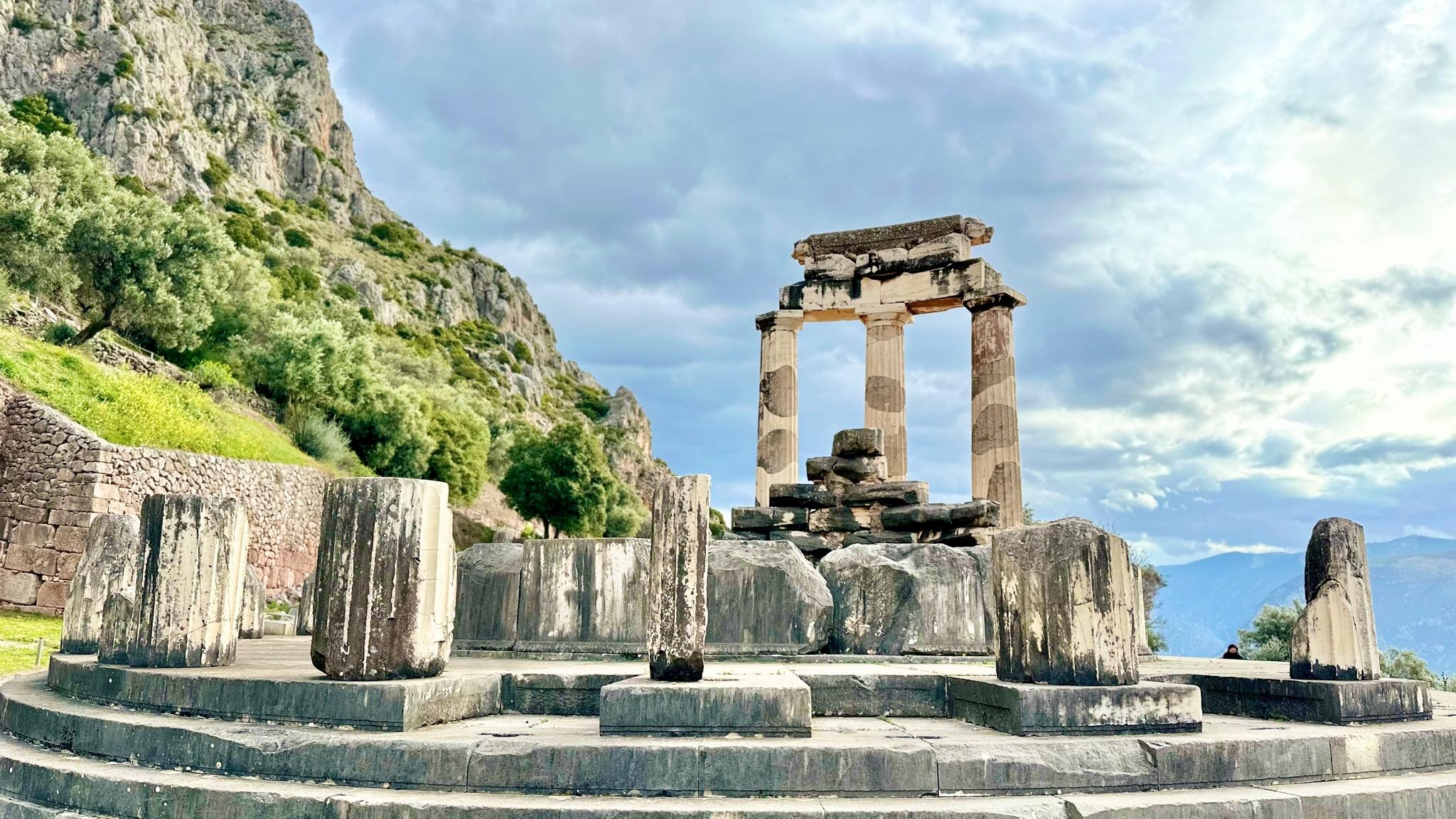
Journey to ancient Greece's most sacred oracle site with private transport and flexible exploration time
10 hours
Free Cancellation
Journey to ancient battlefields and sacred ruins on this full-day private tour with hotel pickup
8 hours
Free Cancellation
Journey to the sacred oracle site of ancient Greece on this exclusive full-day escape to Mount Parnassos
1 hour 30 minutes
Free Cancellation
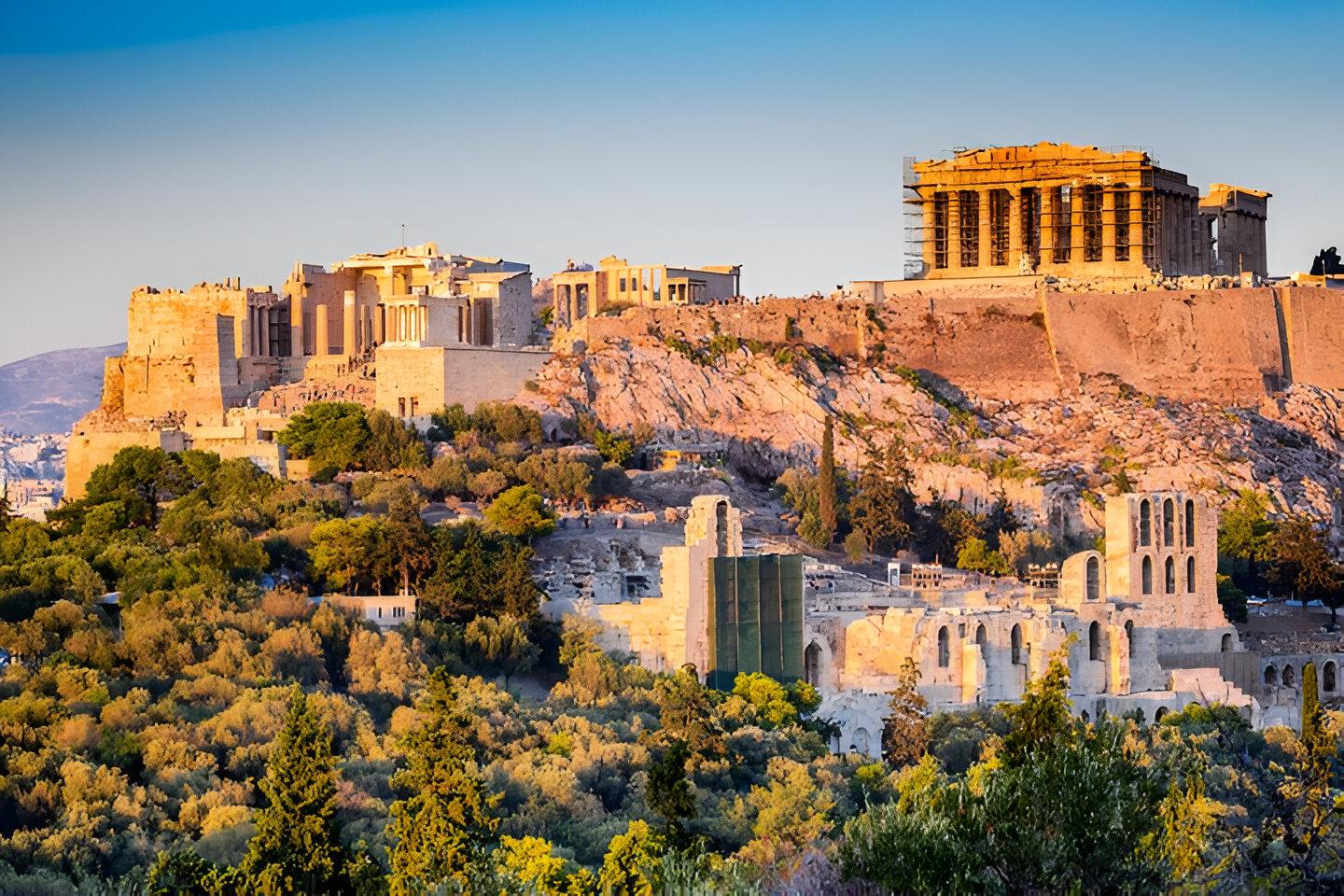
Explore Athens' ancient citadel and world-class museum with an expert guide who brings mythology and history vividly to life
3 hours
Free Cancellation
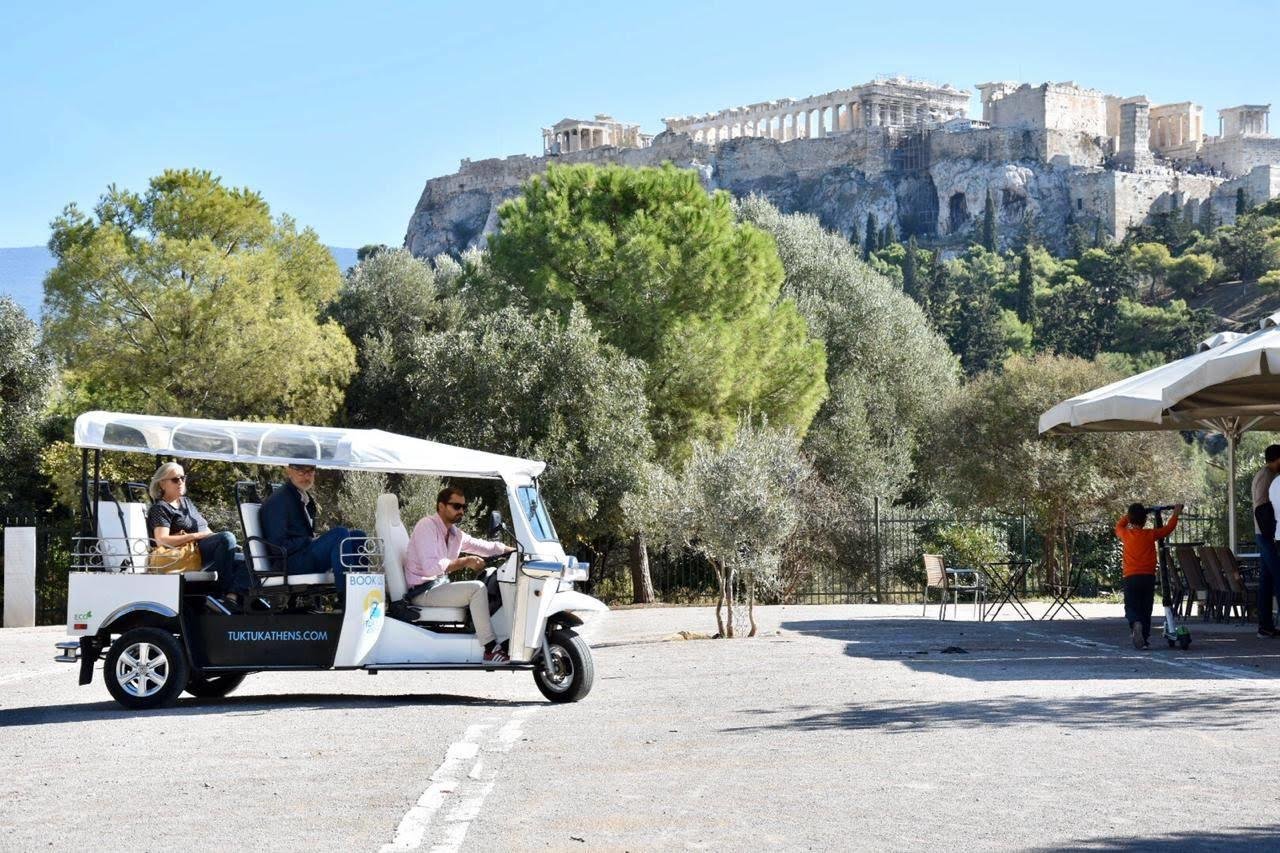
Discover ancient landmarks and vibrant neighborhoods on a private electric tuk tuk ride through Athens
4 hours
Free Cancellation
Discover the birthplace of democracy on a comfortable 4-hour journey through Athens' most iconic sites.
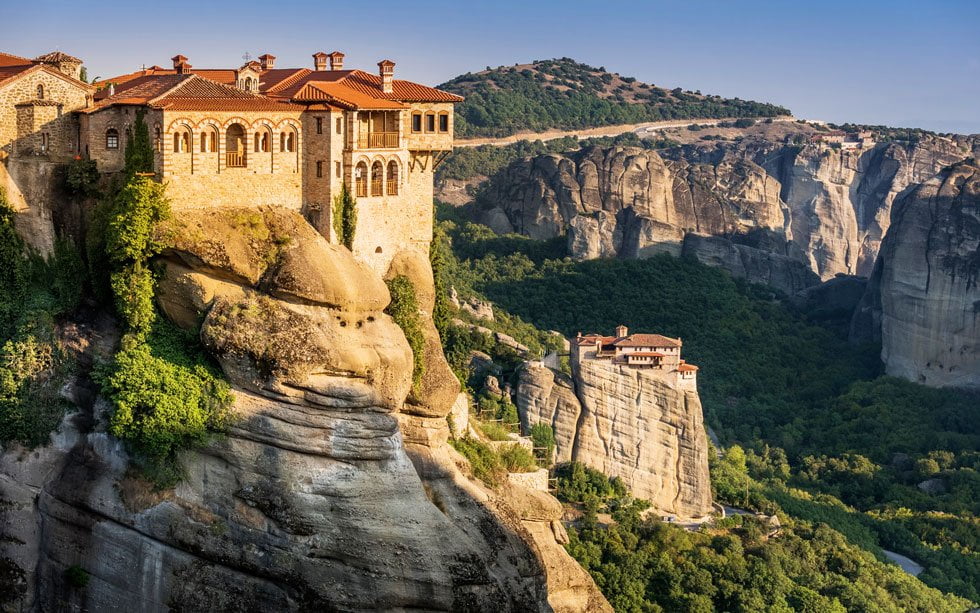
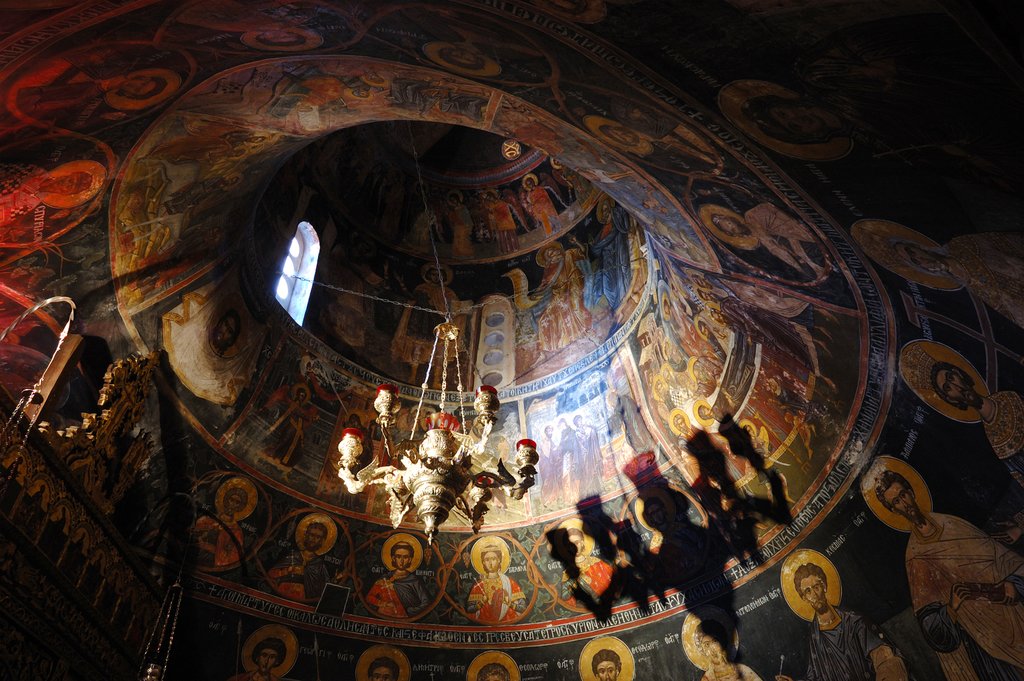
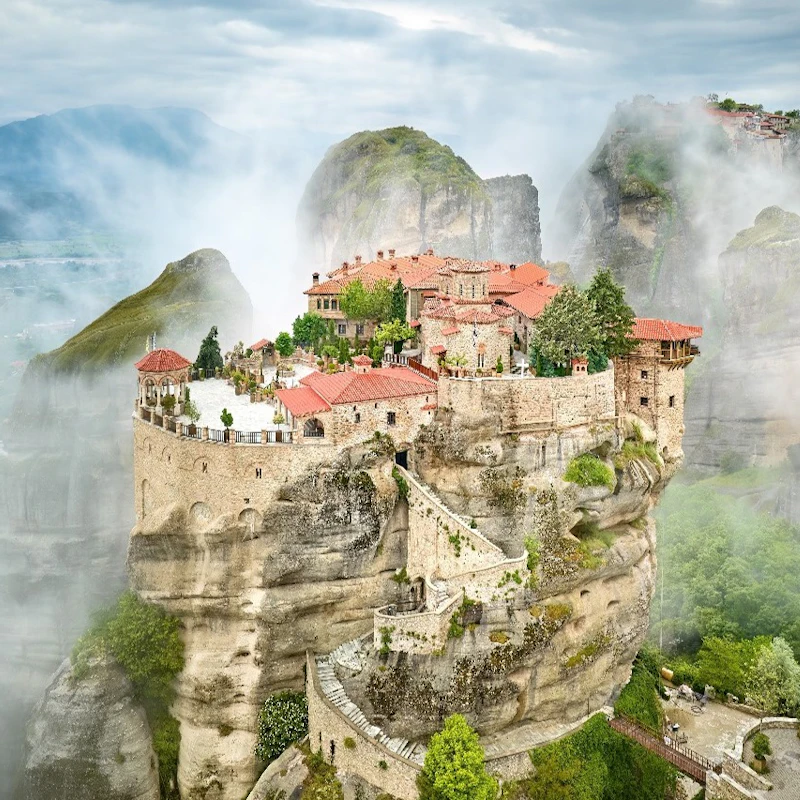
The oldest and largest monastery, famous for its preserved katholikon and 14th-century frescoes.
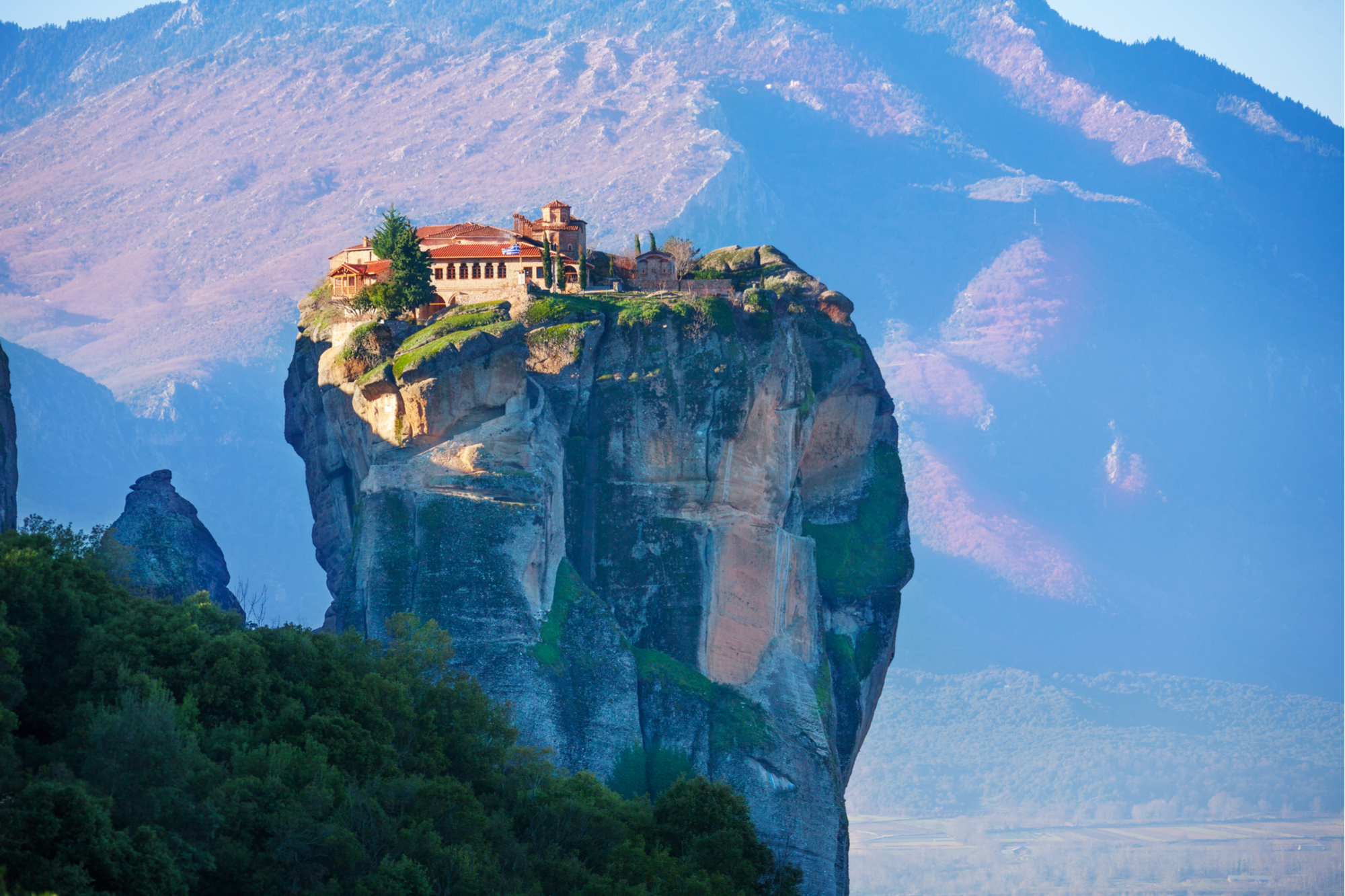
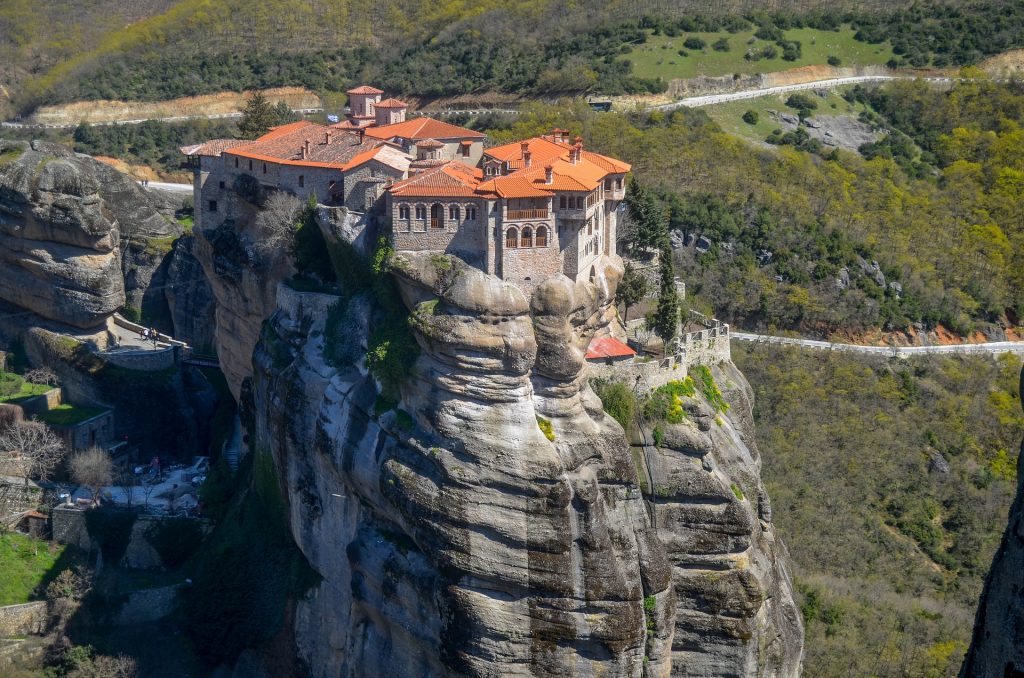
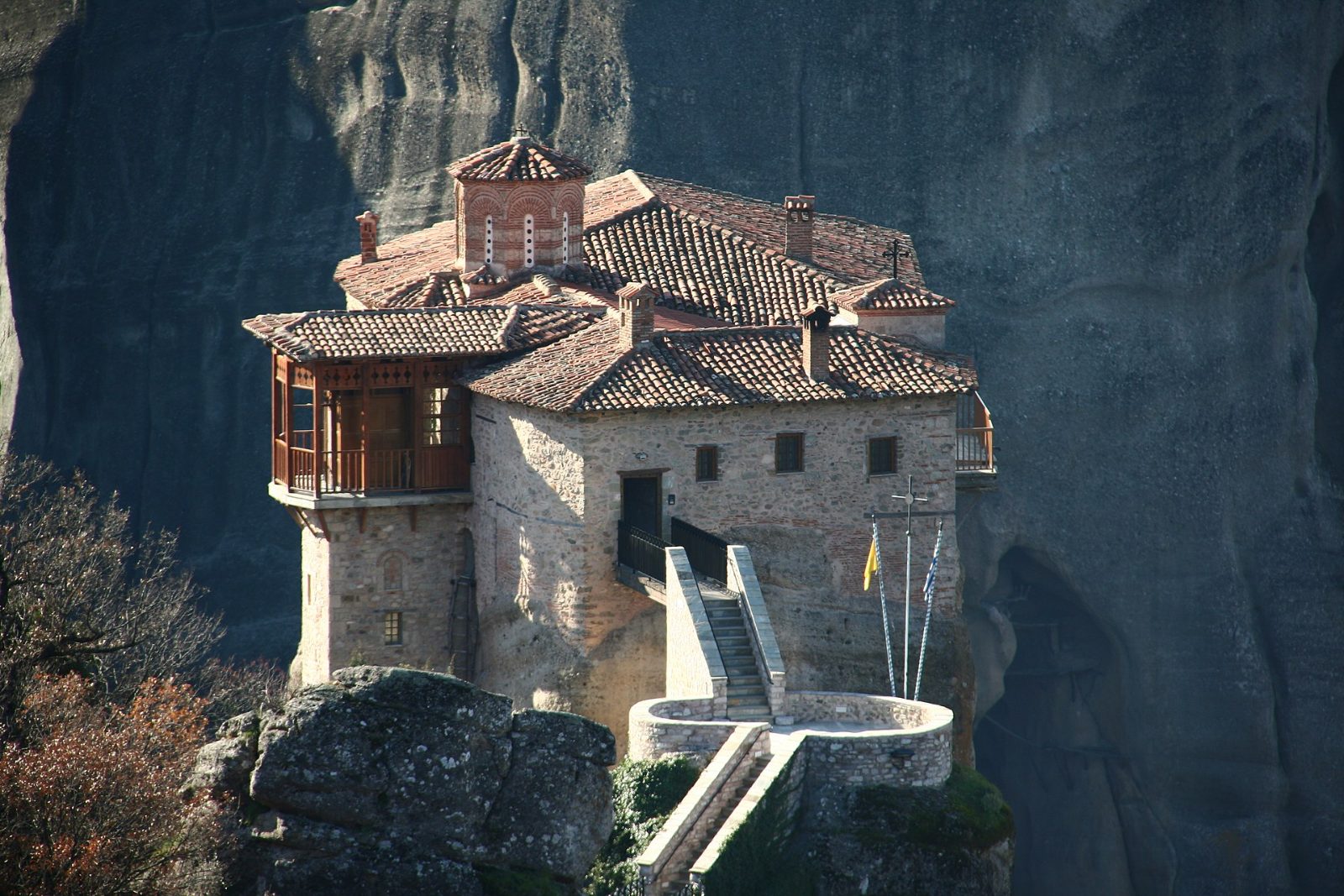
Perched on a cliff, it houses an impressive collection of relics and a traditional rope net tower.
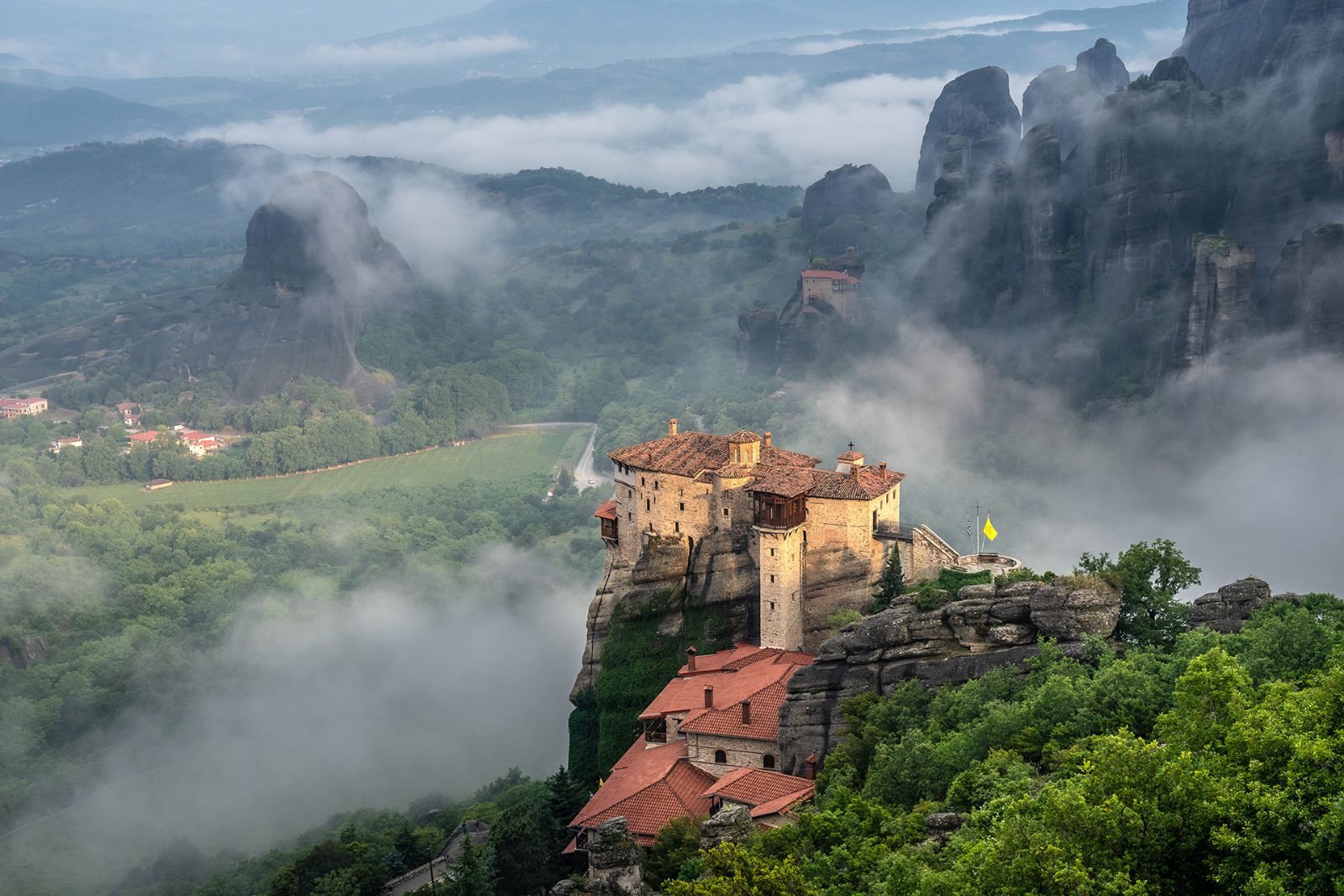
Known for its vibrant frescoes and narrow design, it offers a dramatic perspective of the valley.
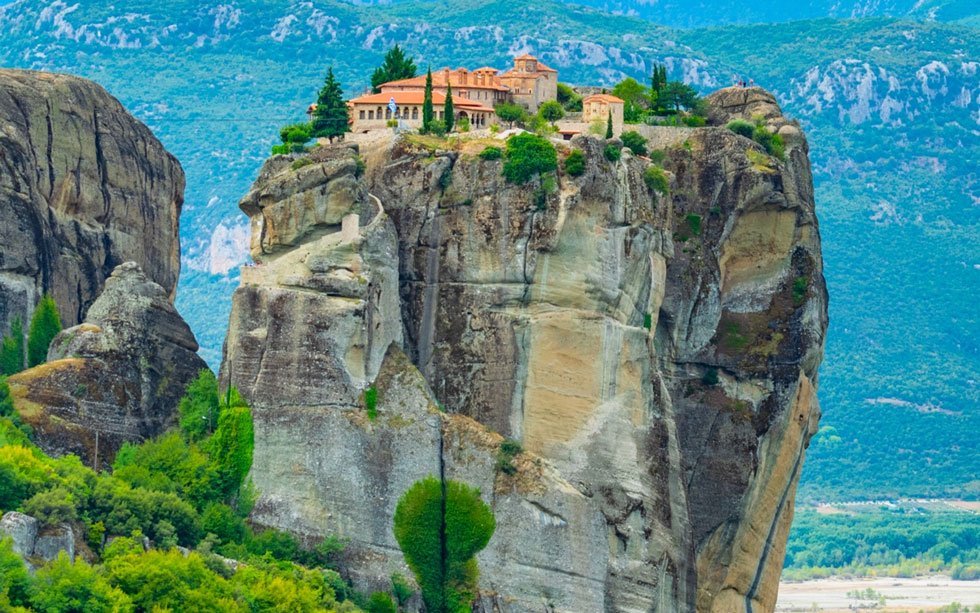
Renowned for its precarious position, it requires a significant climb but provides rewarding panoramic vistas.
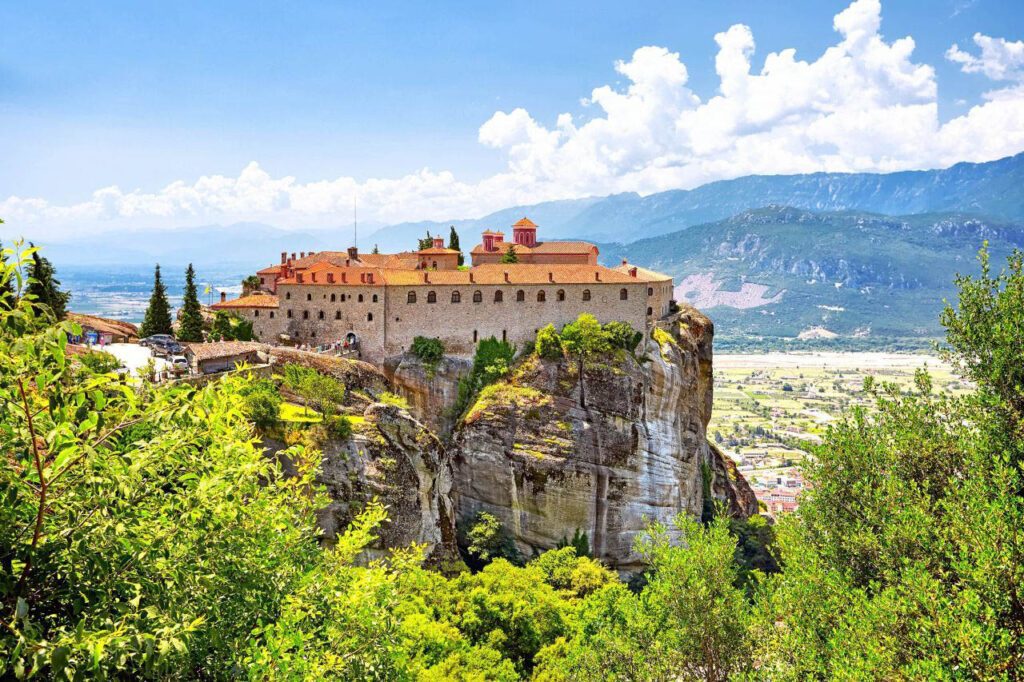
Easily accessible via a bridge, this nunnery features beautiful wood-carved iconostasis.
You depart Athens in the pre-dawn stillness, the private vehicle threading north through Boeotia as the sun rises over the Parnitha range.
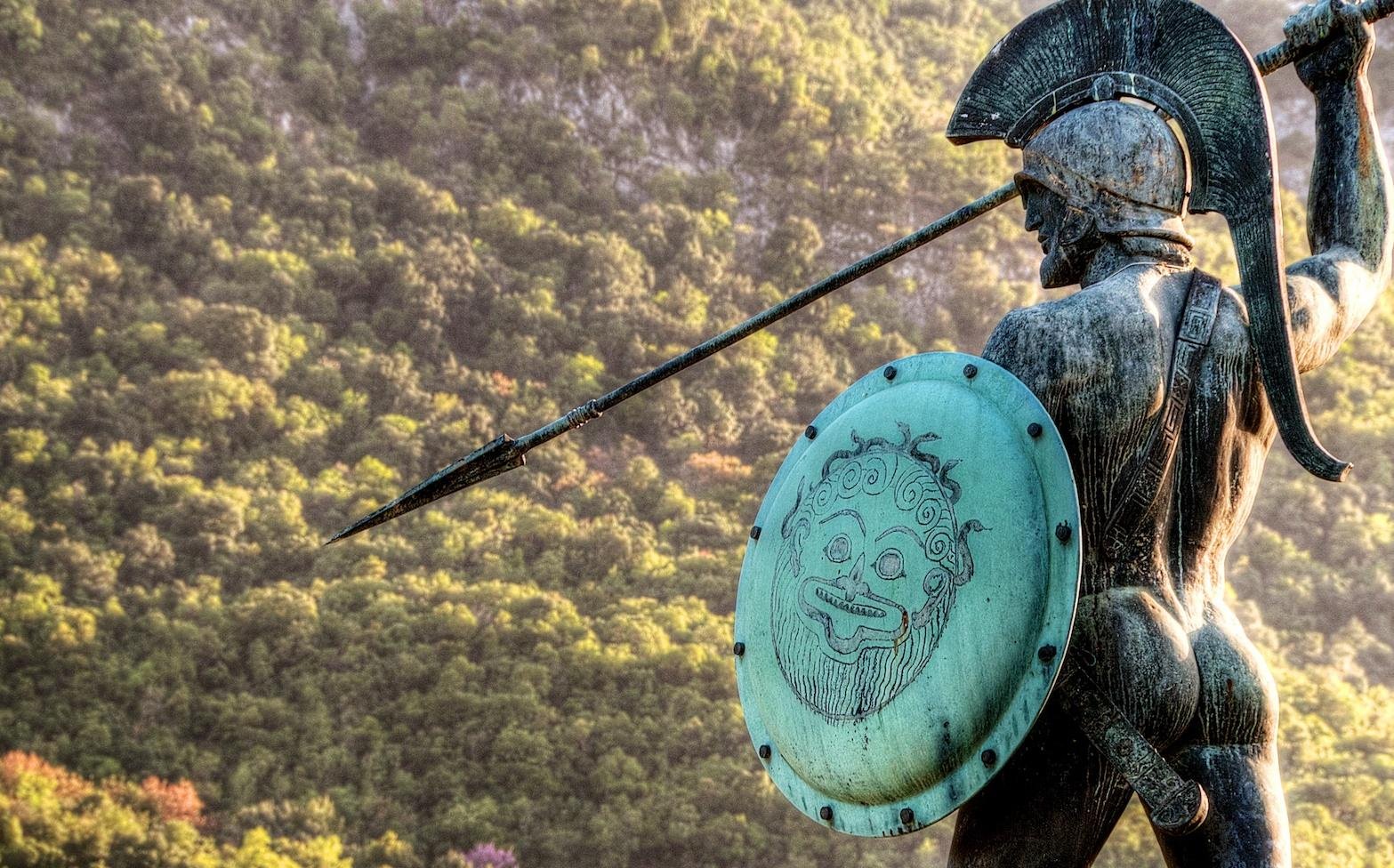
Your driver-guide briefs you on the monastic timeline and the day's routing — whether you will approach Meteora directly via the E75 motorway or detour through Thermopylae to stand at the bronze Leonidas monument where the narrow pass once funnelled the Persian army toward Spartan shields.
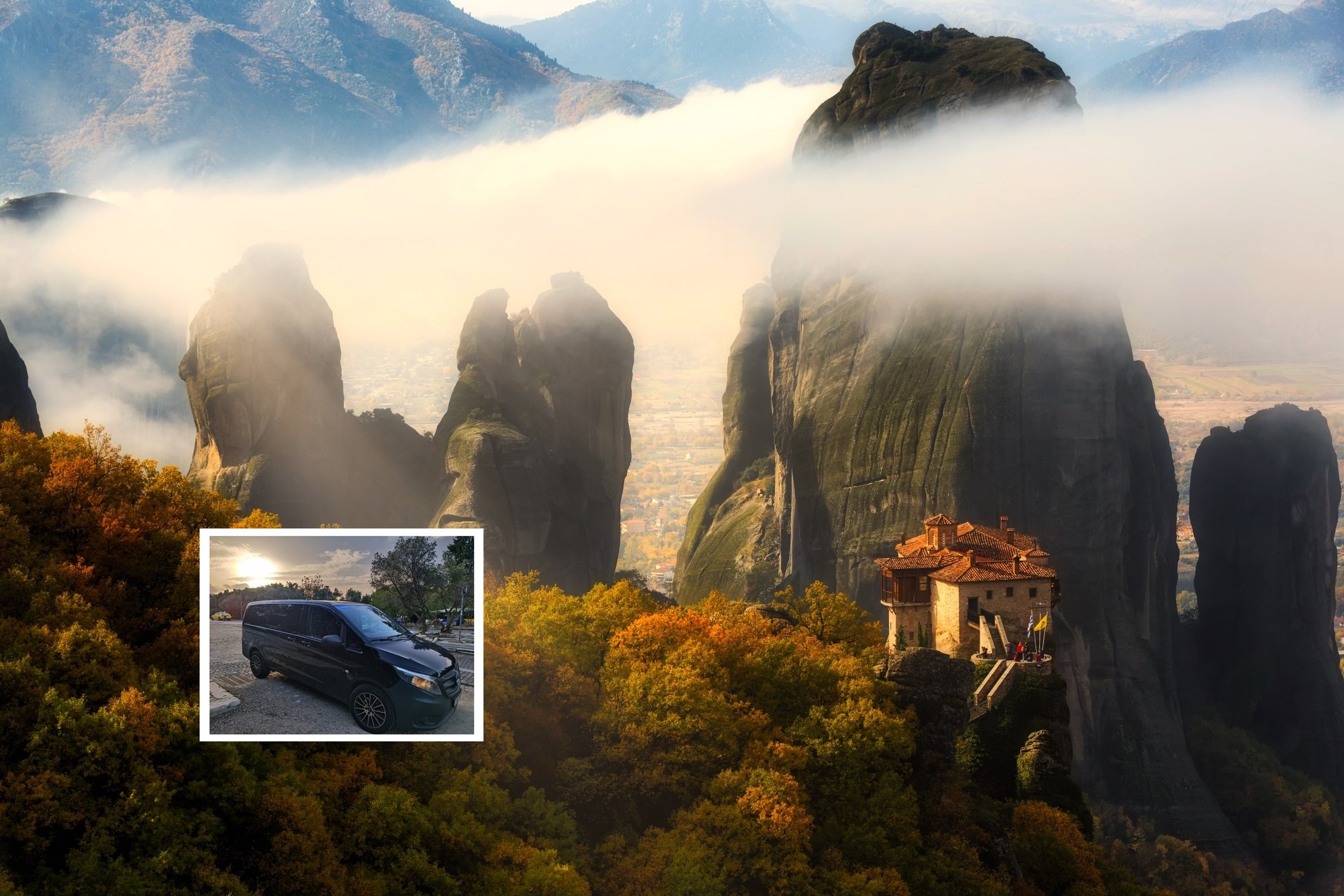
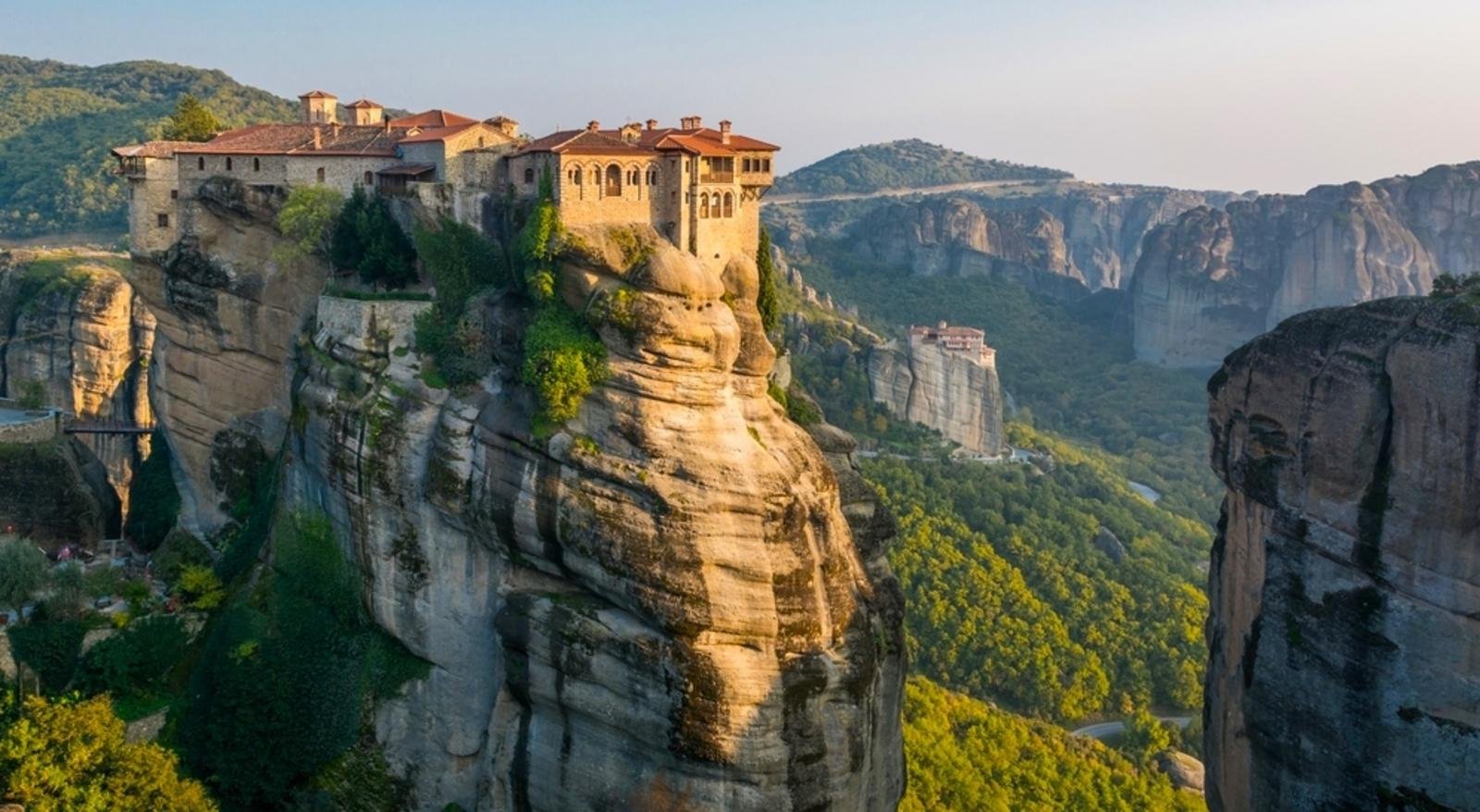
By mid-morning you reach Kalabaka, and the rock pillars materialise on the horizon like broken teeth. The ascent road spirals upward through pine forest, each switchback tightening the view until you pull into the first monastery car park. You climb the stone staircase — 200 steps carved into the cliff face — and pass through the low arched gateway into a courtyard where 16th-century frescoes cover every surface of the katholikon. Your guide narrates the iconography: Christ Pantocrator in the dome, the martyrdom of saints across the narthex walls, portable icons stacked in glass cases.
You move between three or four monasteries depending on the day's closures, each accessible by short drives along the plateau road. At Great Meteoron, the largest complex, you examine illuminated manuscripts in the museum wing and step onto the exterior balcony where the valley drops 400 metres below. The 5 EUR conservation fee is collected at each entrance. By early afternoon you descend to Kalabaka for a taverna pause, then begin the southbound return, reaching Athens as the evening traffic thickens along Kifisias Avenue.
All the details about your upcoming adventure in one place
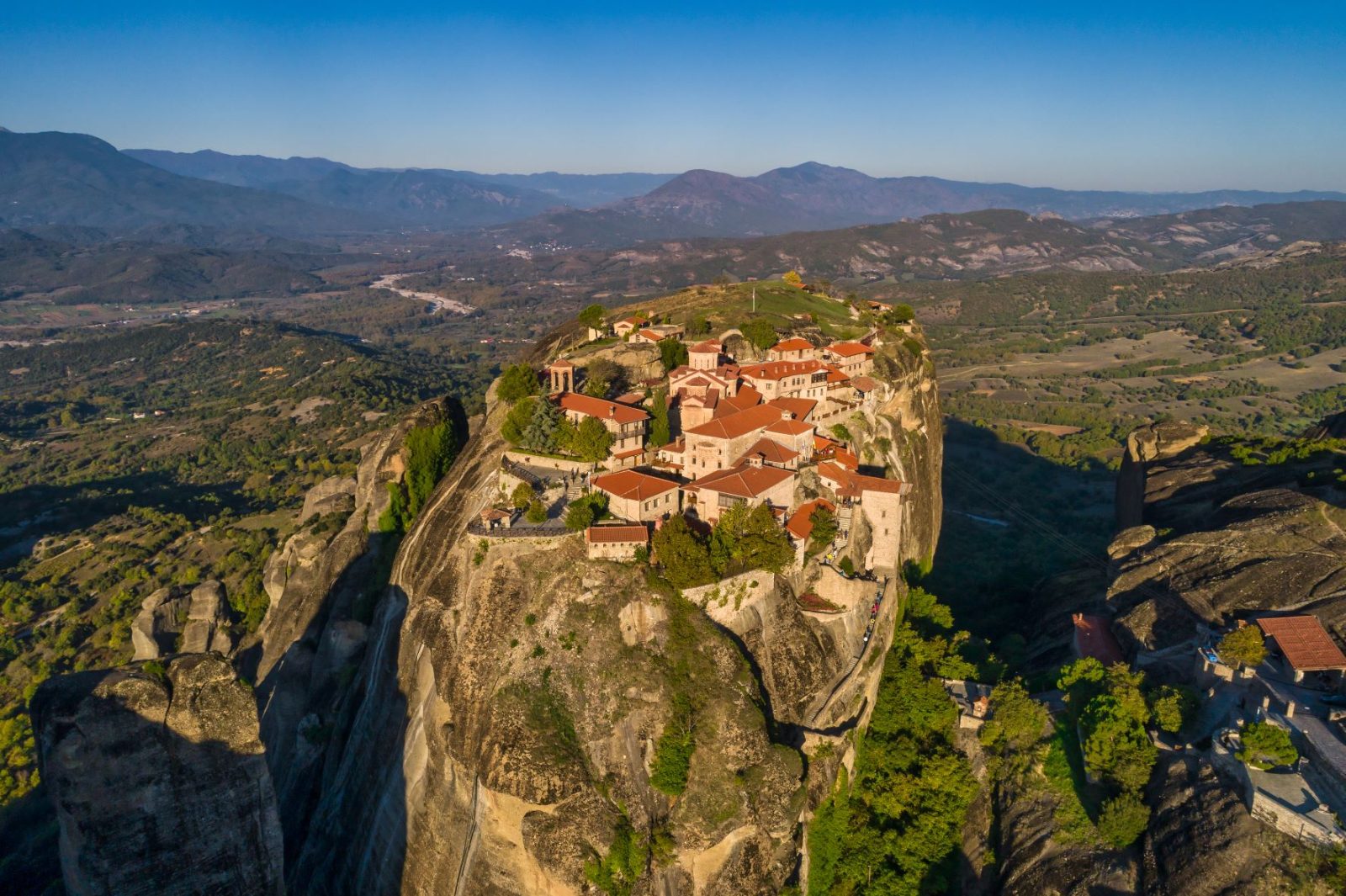
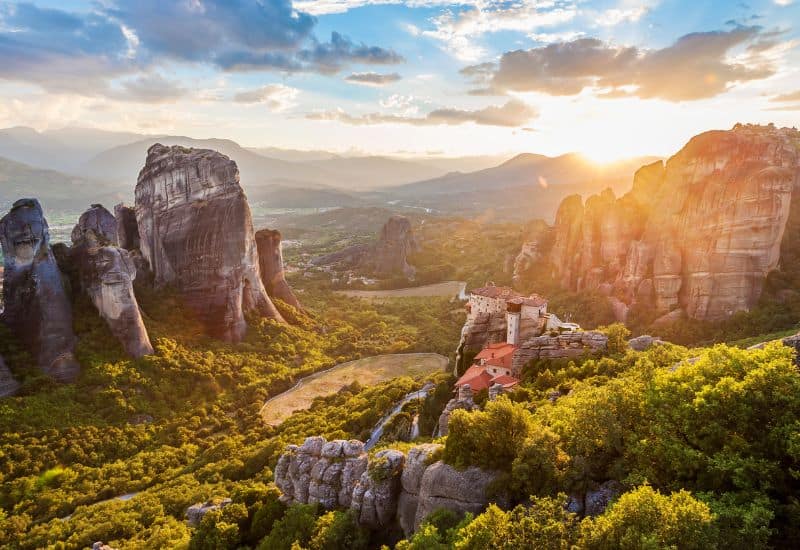
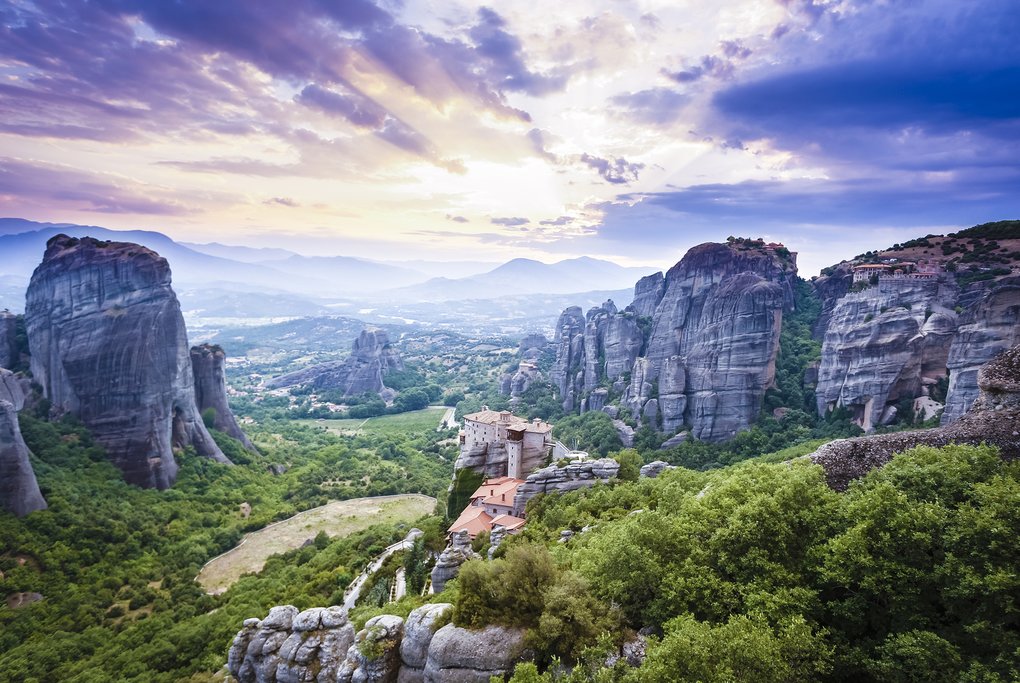
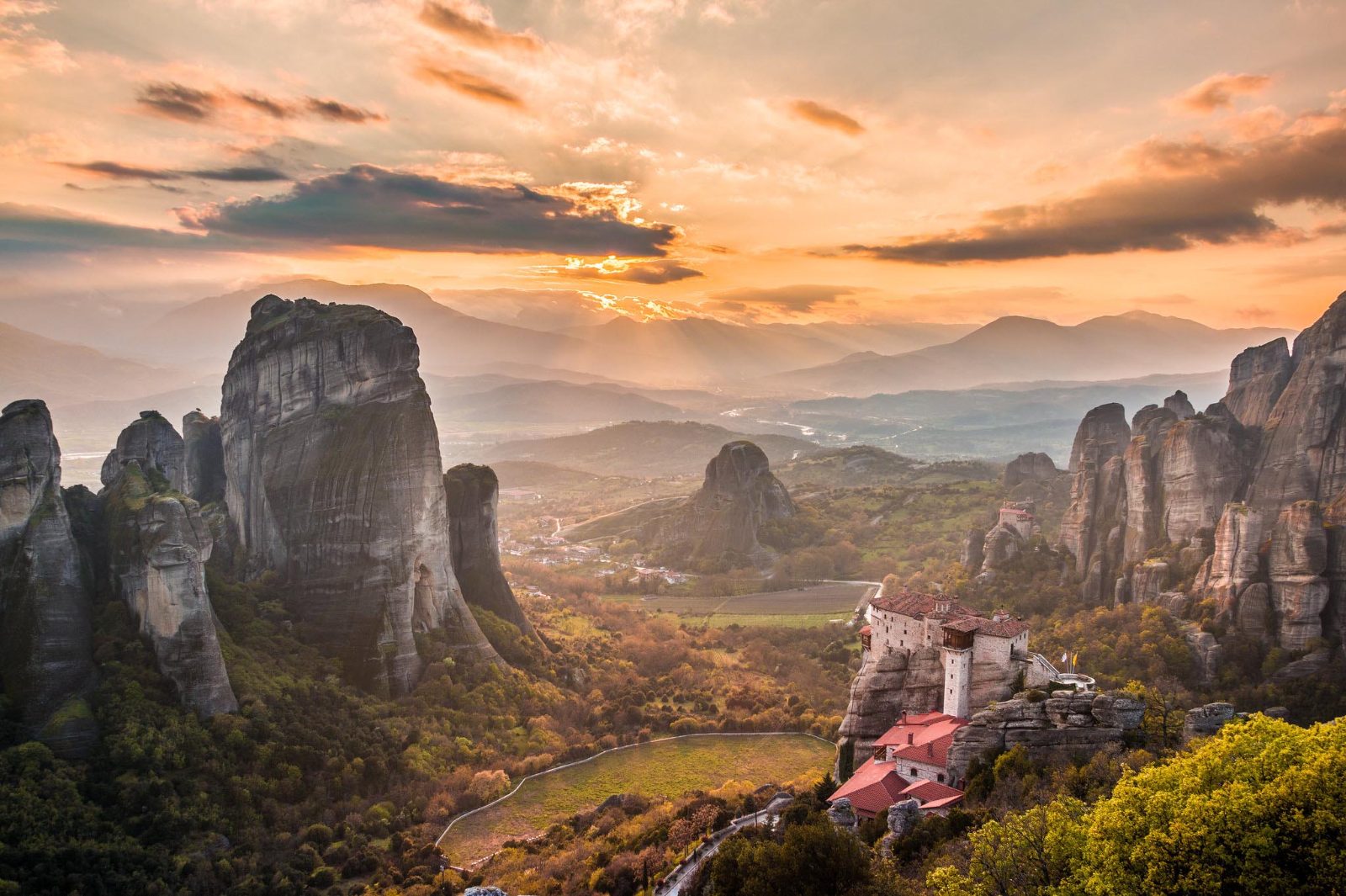
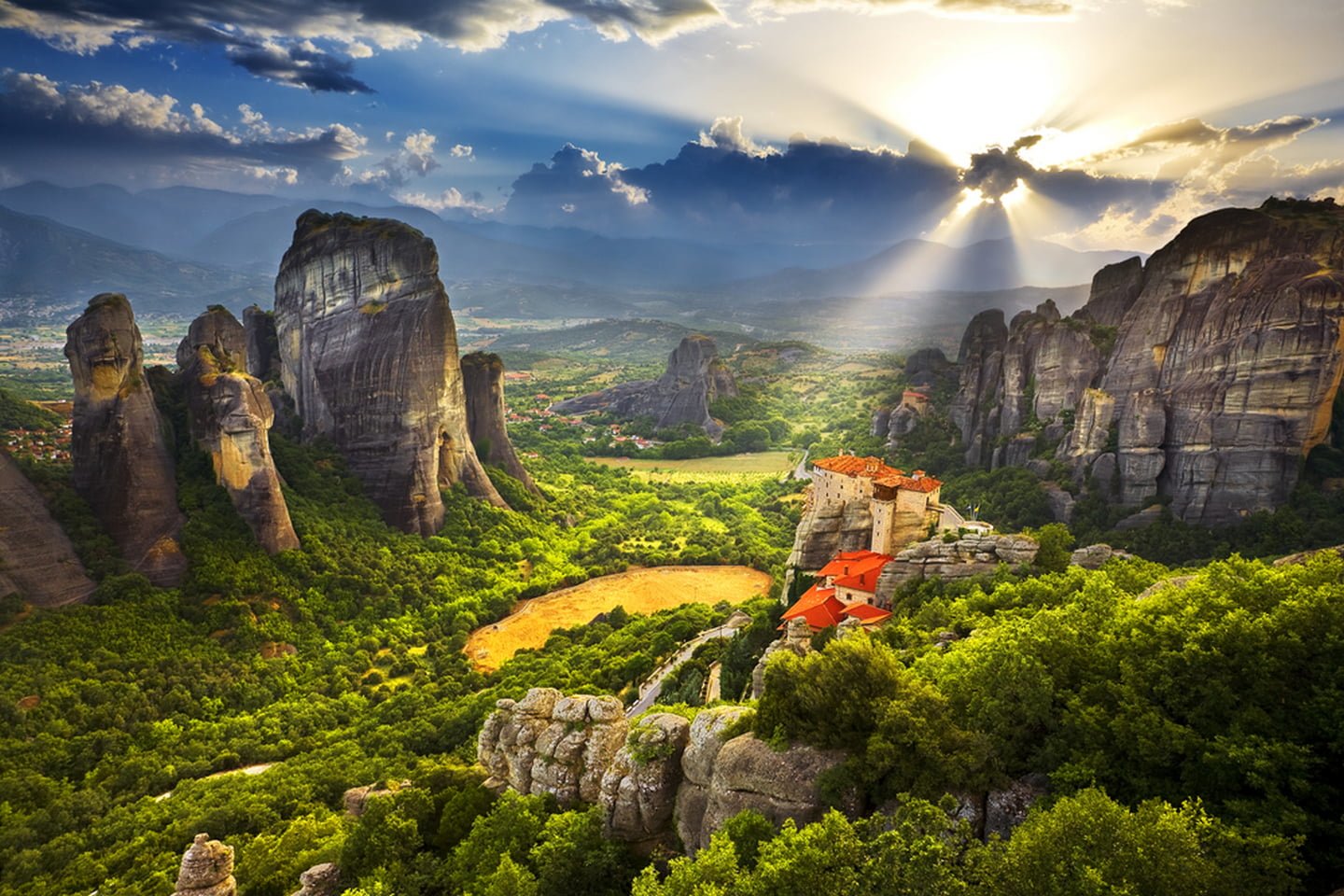
Six Eastern Orthodox monasteries perch on sandstone pillars that rise 400 metres above the Thessalian plain, their foundations laid between the 14th and 16th centuries by hermit monks seeking isolation from Ottoman expansion.
The name Meteora derives from the Greek meteoros — suspended in air — a geological descriptor that became a spiritual metaphor when ascetics hauled building materials up sheer cliff faces using rope ladders and net baskets. By 1900, twenty-four monasteries crowned the rock formations; only six remain active today, sustained by a handful of resident monks and nuns who maintain frescoed katholikons and Byzantine reliquaries within walls that once required winches for human entry.
UNESCO inscribed the site in 1988, citing both the medieval monastic architecture and the Paleogene-era conglomerate pillars shaped by tectonic uplift and millennia of erosion. The monasteries of Great Meteoron and Varlaam house the most significant collections — 14th-century illuminated manuscripts, portable icons by Theophanes the Cretan, and wooden templa carved during the post-Byzantine flowering. Kalabaka, the gateway town 1.5 kilometres below, serves as the staging point for the northern approach road that switchbacks through twenty-four hairpin bends to reach the plateau where the rock towers cluster.
A meteora private tour from athens eliminates the logistical friction of the four-hour northbound drive and the monastery-to-monastery navigation that challenges independent visitors. Private operators typically depart Athens by 07:30 to reach the first monastery during the morning light window, when the valley mist lifts and tour buses from coastal resorts have not yet arrived. The conservation fee — 5 EUR per monastery per person — is collected at each entrance and funds the ongoing restoration of 16th-century frescoes damaged by centuries of candle smoke and weather infiltration. Access remains contingent on the 200-step stone staircases cut into the rock in the 1920s, which replaced the medieval rope systems but retain their vertiginous exposure.
Many private Athens-to-Meteora itineraries incorporate a stop at Thermopylae, the coastal pass 180 kilometres north of the capital where Leonidas and 300 Spartans held the Persian army in 480 BCE. The modern highway bypasses the ancient battlefield — coastal sediment has pushed the shoreline five kilometres east since antiquity — but a bronze monument marks the approximate site of the last stand. The dual-destination format extends the day to twelve hours but consolidates two of central Greece's primary landmarks into a single private transfer, a logistical efficiency that appeals to visitors with limited time in the mainland.
Six monasteries remain active today, sustained by resident monks who maintain frescoed katholikons within walls that once required winches for human entry.
Visitors must dress respectfully to enter the monasteries. Men are required to wear long trousers, while women must wear long skirts; sleeveless tops are prohibited for all.
Large backpacks and bulky luggage are not permitted inside the monastic interiors. Keep personal belongings minimal, as there are no secure storage facilities provided at the gates.
Photography is permitted in outdoor areas like courtyards and terraces. Professional equipment and indoor photography are strictly prohibited to maintain the sanctity of the religious space.
The site is educational, but families should be prepared for significant walking and climbing. Children must remain quiet inside the churches and observe the strict dress code.
Access involves climbing approximately 200 steep, rock-cut steps at most sites. There are no elevators or wheelchair-accessible paths within the historic monastery complexes.
Food and drink are not available inside the monastery walls. Consume all refreshments before starting your ascent, as there are no public waste facilities or vendors at the top.
Opening hours
09:00–17:00 daily
Address
Kalabaka 422 00, Greece
Step count
200 steps per monastery
Best time
09:00–11:00 arrival
Storage
None provided on-site
Official site
https://visitmeteora.travel
Car · Public transport · Daily trains connect Athens directly to the Kalabaka station.
Follow signs from Trikala to Kalabaka; parking is limited at the top.
Full refunds are available for cancellations made within the specified provider window. Please note that the 5 EUR conservation fee is per person, per monastery, and is typically paid on-site.
Recommended time
4-5 hours
A meteora private tour from athens typically requires a 14-hour round trip, making efficient monastery exploration essential to manage the 200 steps required for access at each site. We recommend starting your local exploration during the best arrival window of 09:00–11:00 to avoid mid-day heat and large motorcoach groups. Booking meteora private tour from athens tours allows for a flexible pace, though you should budget 5 EUR per person for the conservation fee at each location. Securing meteora private tour from athens tickets ahead of time helps streamline your journey through these UNESCO heritage rock pillars as crowds peak midday.
Crowd levels through the day
Weather · crowds · average price — dots go green to amber to red as each metric rises.
Mild temperatures and vibrant wildflowers cover the landscapes.
Start your monastery visits at 09:00 to finish before the peak bus traffic arrives.
The monasteries of Meteora trace their origins to the eleventh century, when hermit monks seeking solitude began occupying natural caves in the towering sandstone pillars of Thessaly. By the fourteenth century, mounting Ottoman pressure transformed these scattered retreats into fortified communities. In 1344, Saint Athanasios Meteorites founded the Great Meteoron, the first organized monastery, scaling the rock face using rope ladders and baskets to haul building materials onto the summit. Construction demanded years of labor under conditions that claimed lives; workers suspended on narrow ledges chiseled foundations into vertical cliffs while hauling stone and timber by winch. The monasteries multiplied rapidly during the fifteenth and sixteenth centuries as Ottoman rule intensified across Greece. At their peak, twenty-four monasteries clung to the rock pillars, serving as sanctuaries for religious manuscripts, Byzantine art, and Orthodox tradition. Monks safeguarded illuminated gospels and frescoes while maintaining subsistence gardens on the summits. Access remained deliberately precarious—retractable ladders and rope nets kept invaders at bay and reinforced the communities' isolation. This defensive architecture made Meteora private tour from athens experiences uniquely challenging even for pilgrims, who arrived after arduous journeys from distant regions. The twentieth century brought mechanization and decline. Stone staircases replaced rope ladders in the 1920s, opening the monasteries to scholars and early tourists. German occupation during World War II saw the theft of manuscripts and the destruction of frescoes. By 1960, only six monasteries remained active as monastic populations dwindled and younger Greeks migrated to urban centers. UNESCO designation in 1988 triggered restoration funding but accelerated commercialization; meteora private tour from athens tours now navigate a landscape balancing sacred function with tourism infrastructure. The surviving monasteries—Great Meteoron, Varlaam, Roussanou, Holy Trinity, St. Stephen, and St. Nicholas Anapausas—still house small monastic communities, their frescoed katholikons and reliquary collections preserved behind the sandstone facades that defied gravity for seven centuries.
Hermit monks occupy natural caves in the Meteora rock pillars, establishing the region's earliest ascetic tradition.
Saint Athanasios Meteorites founds the Great Meteoron monastery, the first organized monastic community built atop the sandstone formations.
Twenty-four monasteries are constructed as Ottoman occupation drives monks to fortified sanctuaries; rope ladders and winch systems remain the sole access method.
Stone staircases replace rope ladders, opening the monasteries to scholars and reducing the isolation that had defined monastic life for centuries.
German occupation forces loot manuscripts and damage frescoes; several smaller monasteries are abandoned during the war and its aftermath.
Monastic populations collapse; eighteen monasteries close permanently, leaving only six active communities amid rural depopulation.
UNESCO designates Meteora a World Heritage Site, triggering restoration projects and the rapid growth of meteora private tour from athens tickets demand.
Six monasteries remain active, balancing monastic life with daily visitor flows and the preservation of Byzantine art and Orthodox liturgical traditions.
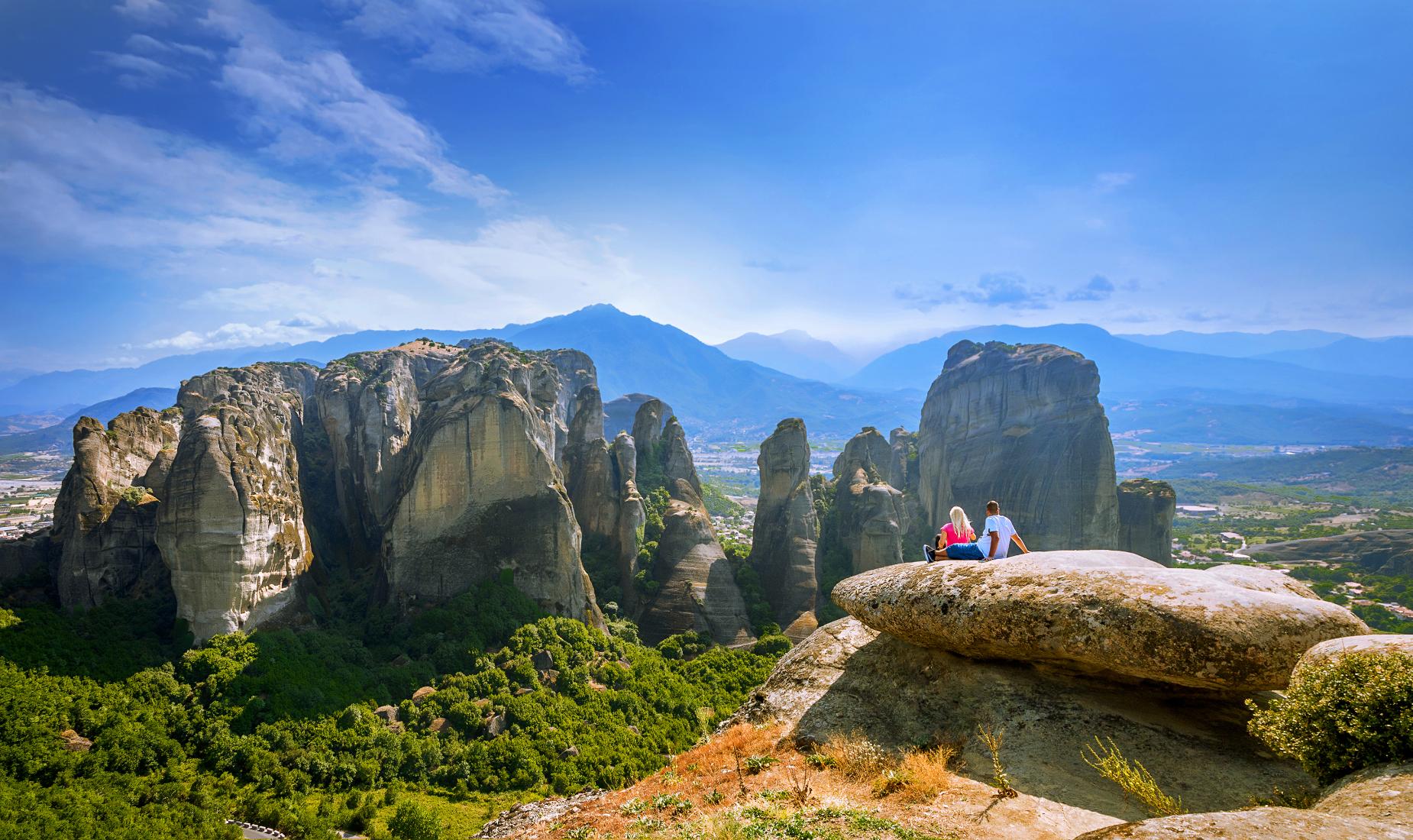
Positioned along the main road between Kastraki and the monasteries, this natural sandstone plateau offers wide-angle views of the rock pillars. Photographers often gather here during late afternoon to capture the golden light hitting the cliff faces.
This terrace provides a perspective on the surrounding landscape and adjacent monastic structures. Visitors often include this high-vantage point on a meteora private tour from athens to frame the sheer scale of the geological formations.
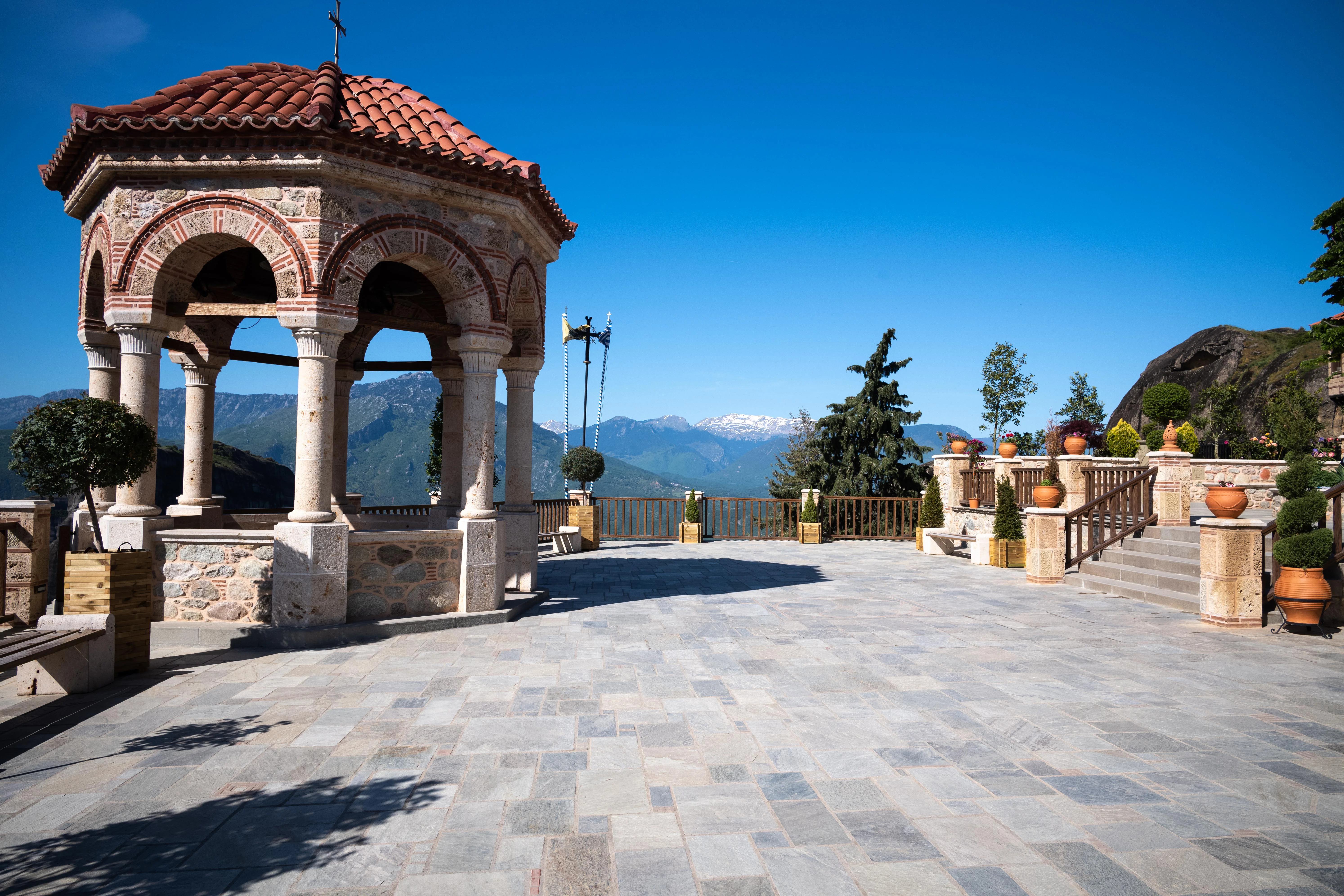
The main courtyard features distinctive architecture and historic masonry that characterize these UNESCO heritage landmarks. While many travelers book meteora private tour from athens tours to explore, note that interior sanctuary photography is strictly prohibited.
Located near the Great Meteoron, this point serves as a popular site for panoramic shots of the entire valley floor and complex. Using a telephoto lens helps compress the distance between the vertical sandstone columns and the monasteries perched atop them.
The stone bridge and stairs leading toward this structure create a compelling composition of human engineering against natural stone. If you hold meteora private tour from athens tickets, you may access this location to frame the monastic walls rising from the forest canopy.
Planning a meteora private tour from athens offers families a unique opportunity to explore these cliff-top landmarks while managing the logistics of a site defined by steep terrain. With thoughtful pacing, your visit to these UNESCO heritage sites becomes an engaging journey through history rather than just a climb.
Pushchairs are not practical due to the 200 steps required for access; a soft baby carrier is essential for hands-free navigation of the stairs and cliff paths.
Rather than attempting all six sites, focus on two monasteries to avoid exhausting young travelers; keeping the excursion to a manageable loop ensures a positive experience for all ages.
For a more accessible start, consider that St. Stephen reaches its entrance via a flat footbridge, which is significantly easier for younger children than the standard stone stairways found elsewhere.
To make the most of your meteora private tour from athens tour, aim for the best arrival window of 09:00–11:00 to escape the midday heat and heavy tour group crowds.
Carry sufficient snacks and water for your group, as the monasteries have limited facilities for hungry children and the drive between sites can take longer than expected.
Ensure all family members are dressed modestly, as these are active religious sites; men should wear long trousers and women must wear skirts covering the knees, as this is strictly enforced for all meteora private tour from athens tickets.
Travelers seeking authentic Greek cuisine will find the best traditional tavernas in Kalabaka, the town located at the base of the cliffs where your meteora private tour from athens often concludes. Visitors planning a meteora private tour from athens tour typically head to these local establishments to enjoy regional specialties after exploring the UNESCO heritage sandstone pillars and monastic rock formations.
Located in the heart of Kalabaka, this venue serves local lamb and moussaka in a welcoming setting. It is ideal for a relaxed dinner after completing your meteora private tour from athens tickets itinerary.
This spot offers dining with views of the cliffs and focuses on Mediterranean recipes using fresh ingredients. It provides a convenient meal stop for those holding meteora private tour from athens tours reservations.
A reliable choice for grilled meats and hearty salads located near the main square of Kalabaka. This place suits visitors looking for a quick yet filling meal near the Meteora landmarks.
Everything you need to know for your journey
The monasteries are open from 09:00–17:00 daily; your guide will coordinate your itinerary within these hours.
No, the 5 EUR conservation fee per person, per monastery, is paid separately on-site and is not typically included in tour prices.
Most monasteries involve 200 steps; some require more, while others are accessible via bridges.
Yes, men must wear long trousers and women must wear long skirts to enter the religious sites.
Arriving between 09:00–11:00 is recommended to avoid heat and heavy crowds from Athens.
You may photograph outdoor spaces, but indoor photography is strictly prohibited.
Yes, children are welcome on private tours, provided they are supervised and adhere to dress codes.
Yes, always carry small denominations of cash to pay the 5 EUR entry fee at each monastery gate.
Bring water, sun protection, and comfortable shoes for the steep access paths.
Ancient cave site showcasing human habitation history.
Village setting offering the best views of the pillars.
Join thousands of happy travelers who have discovered this incredible experience
Book Your Experience Now