14 hr
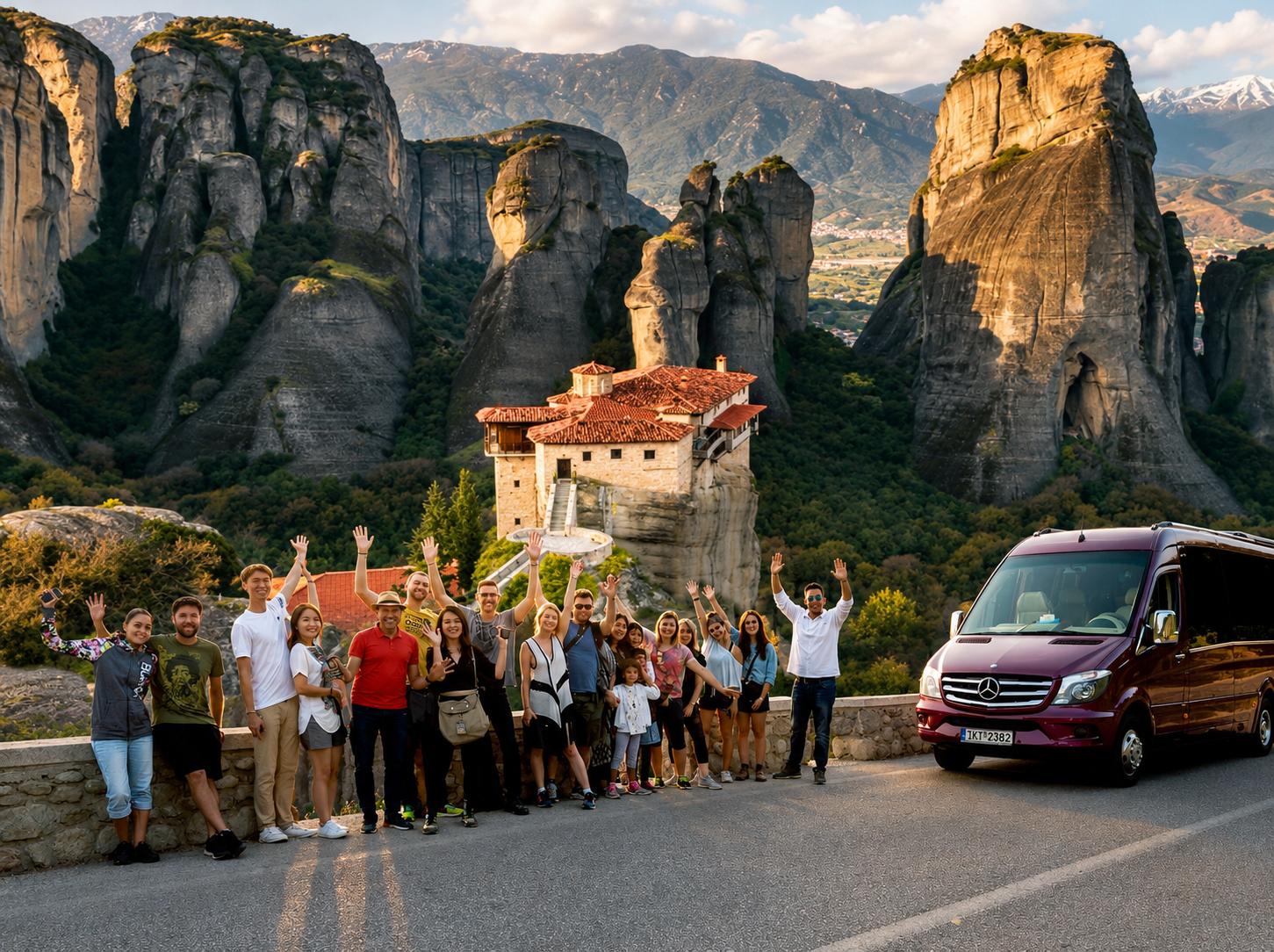
Meteora Monasteries Full-Day Tour from Athens
- Expert local guide
- Small group
- Skip-the-line access
- Free cancellation
Meteora Tour from Athens — Day Trips to the Monasteries
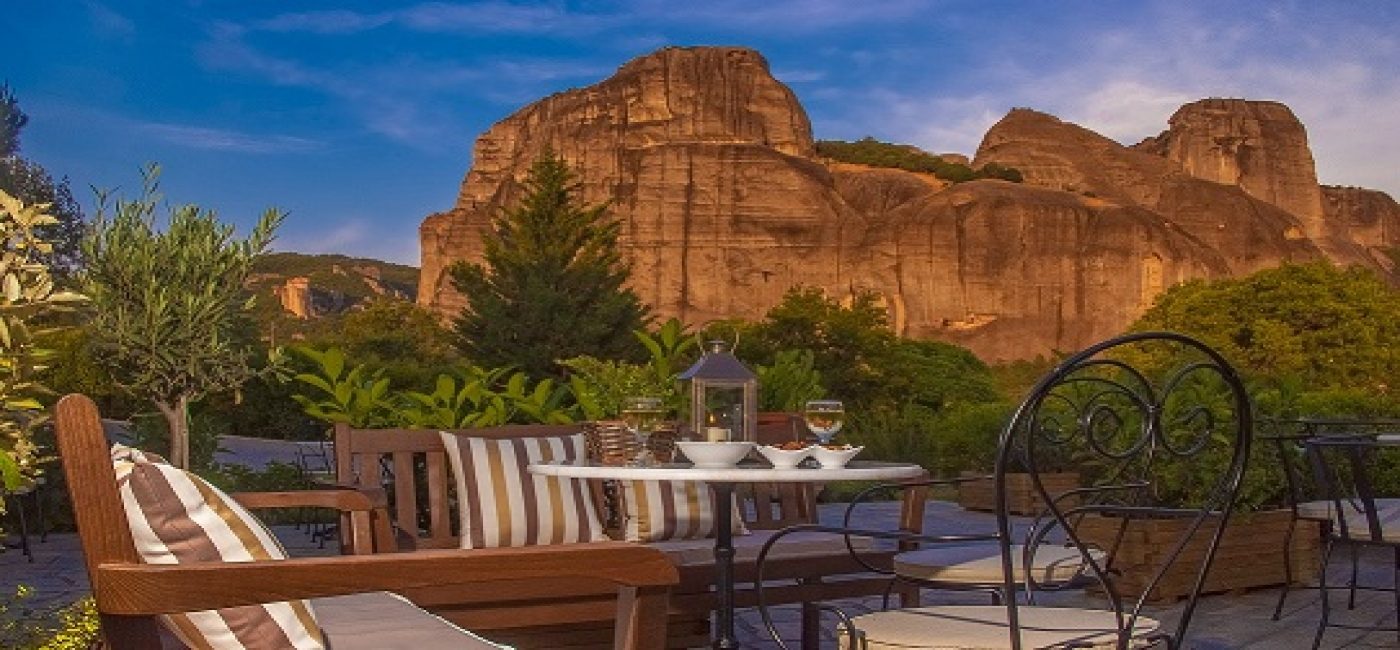
Ascend to sixth-century hermitages on clifftop pinnacles, where monks still live above the clouds
Compare fares, pick the fit — all bookings are mobile-voucher and eligible for free cancellation where shown.
14 hr
14 hr
14 hr
| Experience | From | Duration | Rating | Transfers | Skip-the-line | Guide | Price | |
|---|---|---|---|---|---|---|---|---|
|
Guided Experience
Most popular
Meteora Monasteries Full-Day Tour from Athens
|
Athens | 14 hr | ★ 4.8 | ✓ | ✓ | ✓ | €75 | Book → |
|
Guided Experience
Meteora Monasteries Day Tour from Athens
|
Athens | 14 hr | ★ 4.7 | ✓ | ✓ | ✓ | €84 | Book → |
|
Guided Experience
Meteora Monasteries Day Trip from Athens with Coastal Stops
|
Athens | 14 hr | ★ 4.7 | ✓ | ✓ | ✓ | €84 | Book → |
Worth it for culture seekers and photographers
A meteora tour from athens requires commitment—roughly 4.5 hours each way by road or train—but the payoff justifies the investment for travelers drawn to Byzantine heritage and dramatic landscapes. The UNESCO-listed rock monasteries, perched on sandstone pillars, deliver a visual and spiritual experience unmatched elsewhere in Greece. Each monastery charges a modest 5 EUR conservation fee, and the combination of cliff-edge views, frescoed interiors, and the sheer geological spectacle creates lasting impressions. Day tours from Athens streamline logistics, bundling transport and guided context, though independent travelers can piece together the journey via train to Kalabaka and local buses. The site rewards those who value cultural depth over beach resorts—Meteora's monastic history and natural architecture offer substance that generic island-hopping itineraries lack. For travelers prioritizing efficiency or coastal Greece exclusively, the long travel window may not align with their trip structure.
Bottom line: If Byzantine culture and geological drama outweigh beach time for you, meteora tour from athens tours deliver rare value despite the travel investment.
Hand-picked experiences loved by thousands of travelers
14 hours
Free Cancellation
Discover six cliff-top monasteries and explore three interiors on a small-group journey to UNESCO-listed Meteora
2 days
Free Cancellation
Journey through ancient Greece's most iconic sites on this two-day adventure featuring Delphi's oracle and Meteora's monasteries
14 hours
Free Cancellation
Journey to UNESCO-listed Meteora to explore ancient clifftop monasteries and witness breathtaking rock formations
2 days
Free Cancellation
Discover Greece's clifftop monasteries on a two-day escape with sunset and monastery tours, plus hotel stay
2 days
Free Cancellation
Discover Greece's stunning rock monasteries on a two-day escape with guided sunset and morning tours
3 days
Free Cancellation
Discover Greece's legendary monasteries and ancient oracle on this multi-day adventure with accommodation
14 hours
Free Cancellation
Journey through ancient battlefields and soaring monasteries on this full-day private excursion
3 days
Free Cancellation
Escape to UNESCO-listed Meteora with guided tours, free time, and coastal stops—transport sorted
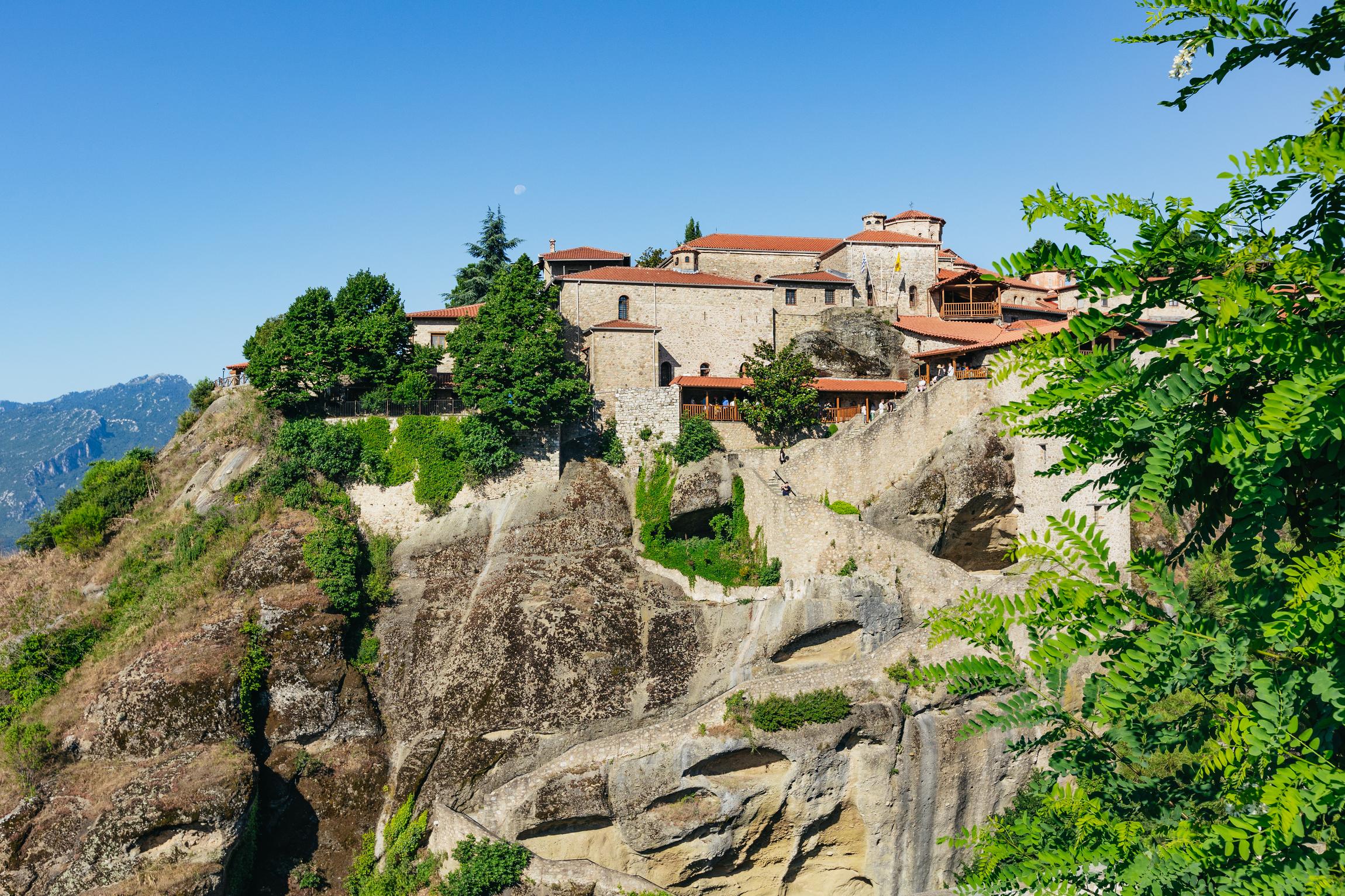
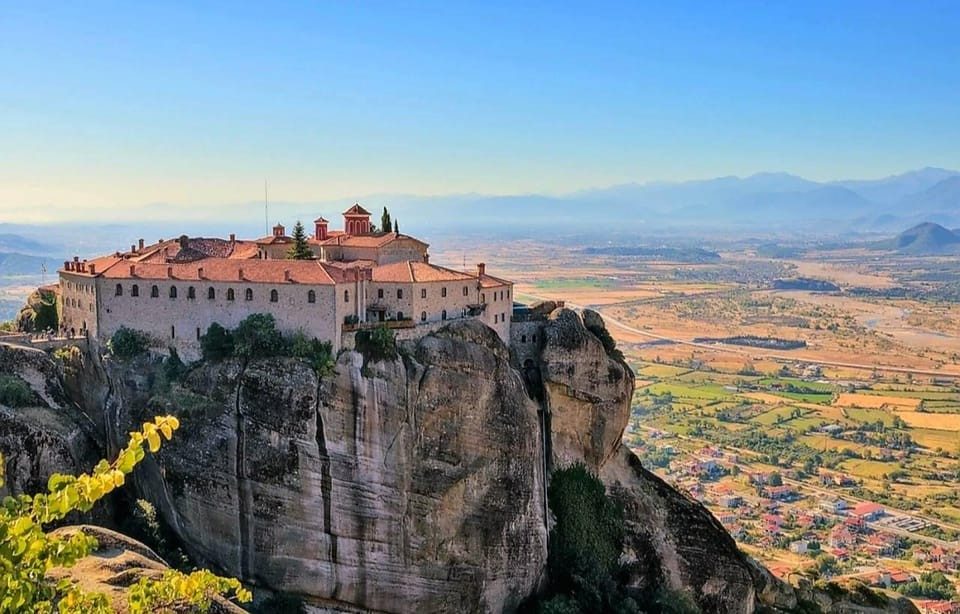
The largest and oldest monastery featuring a historic ossuary and wine cellar.
The winding path carved into the rock face provides the classic approach.
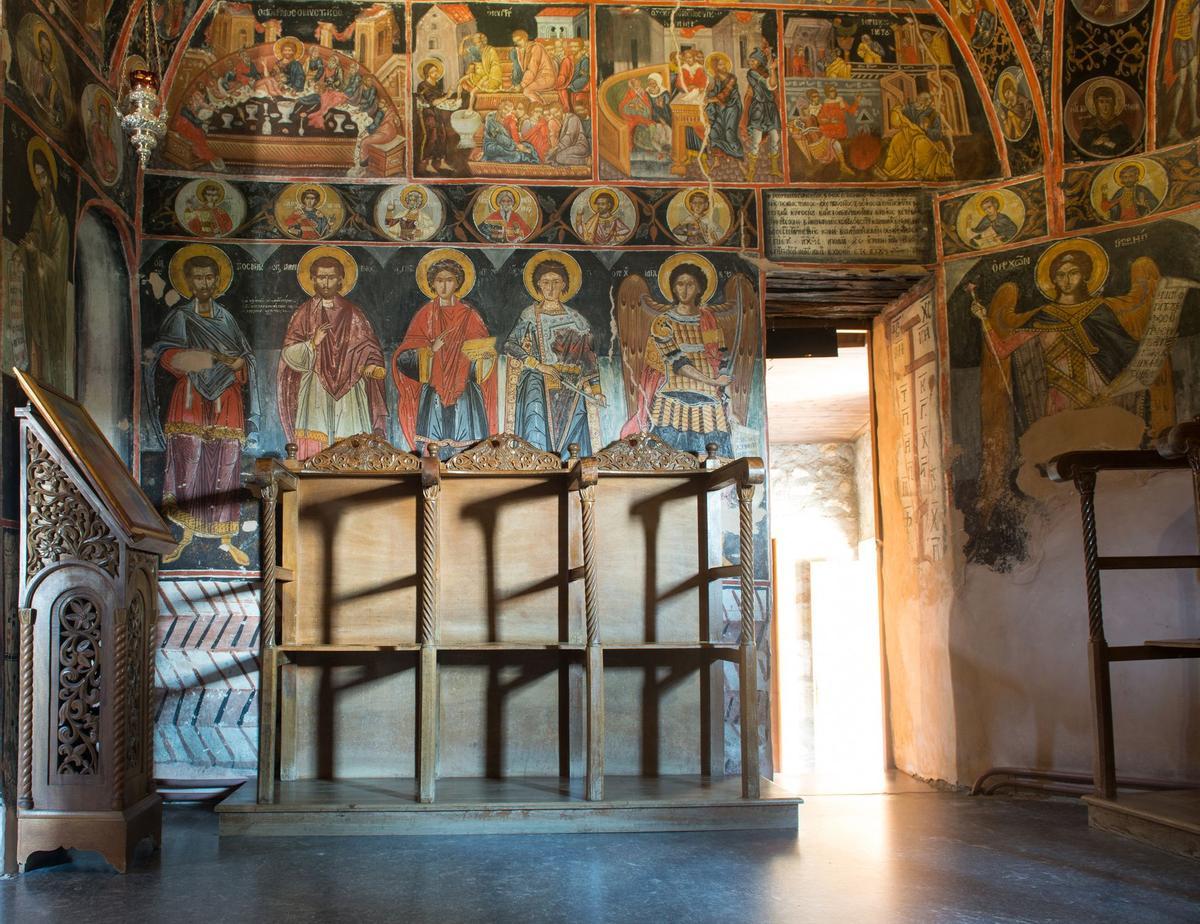
The central church complex filled with traditional Byzantine frescoes and religious art.
The open-air spaces offer panoramic views over the Pineios valley floor.
Exhibits including rare illuminated manuscripts and vestments from the 14th century.
All the details about your upcoming adventure in one place
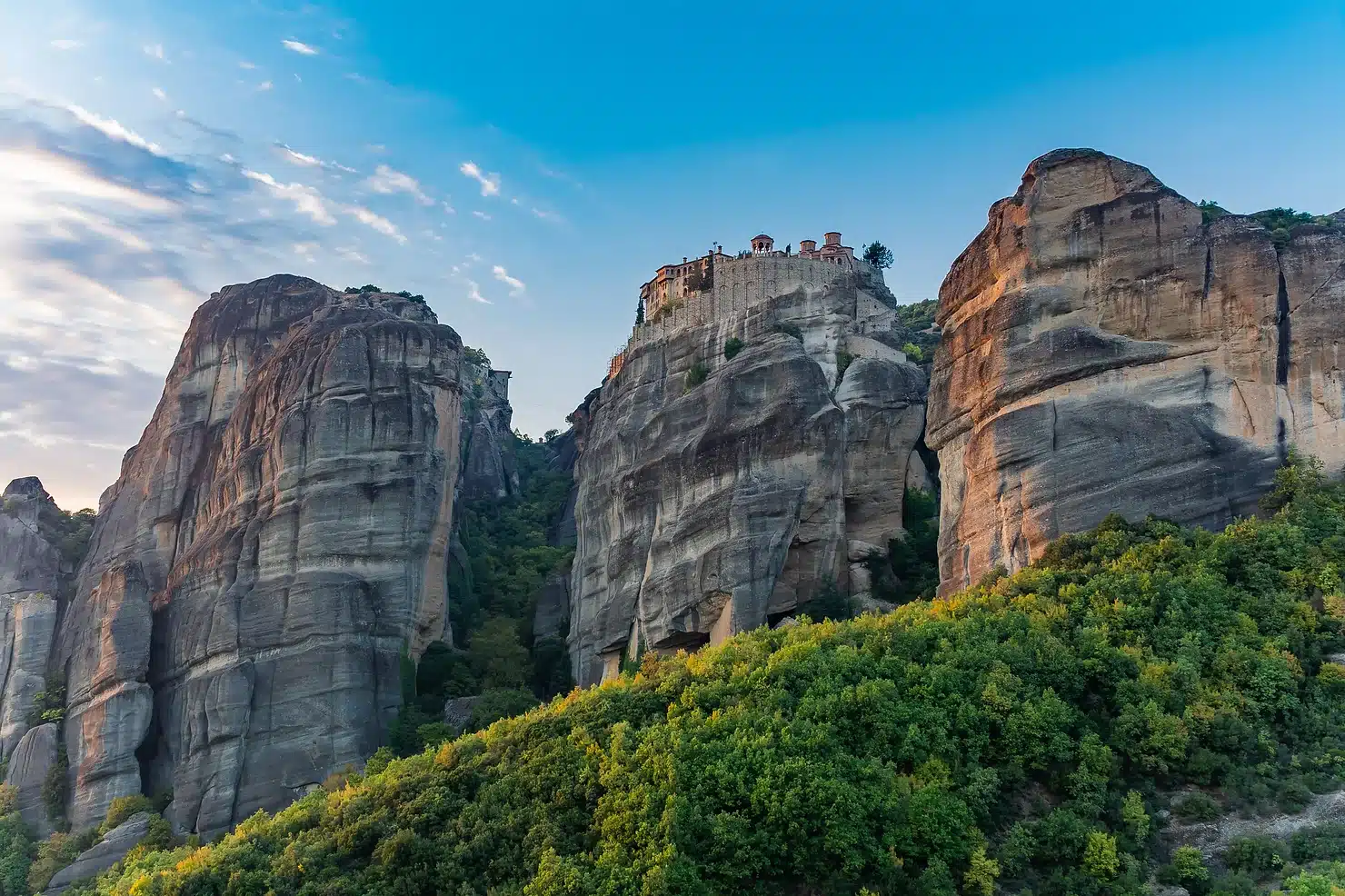
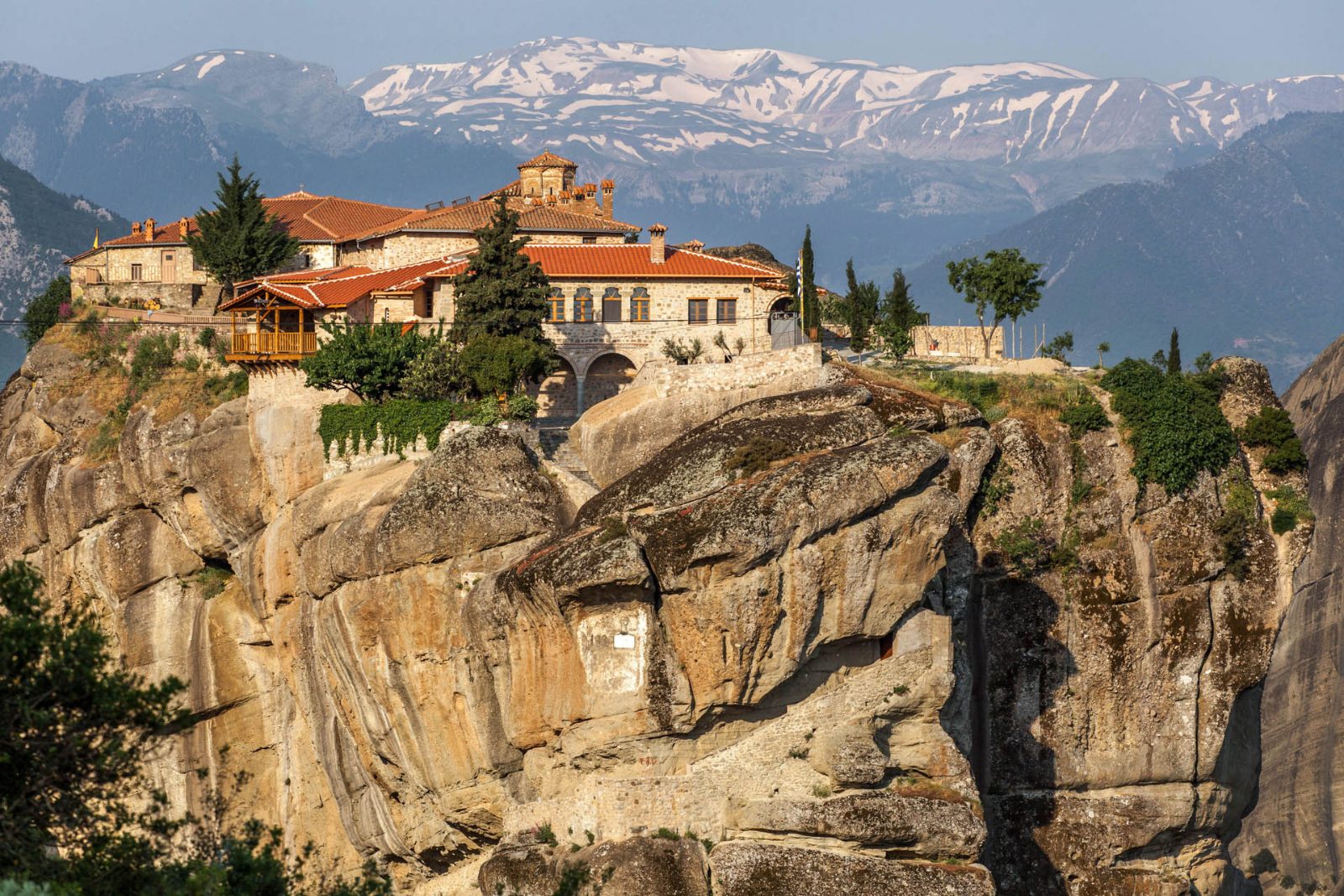
A meteora tour from athens travels north through Thessaly to reach the UNESCO-listed rock monasteries perched on sandstone pillars. The journey covers Byzantine architecture at Varlaam and Great Meteoron monasteries, traditional mountain villages, and panoramic views across the Pindus foothills. Meteora tour from athens tours typically include guided monastery visits with insight into monastic life and the geological formation of these vertical cliffs.
Byzantine monks first scaled Meteora's 400-metre sandstone towers in the ninth century, carving cells into vertical rock to escape Ottoman raids.
By 1356, Athanasios Koinovitis had founded the Great Meteoron monastery atop the highest pillar, hauling timber and stone in rope baskets that still hang from iron hooks today. Of twenty-four monasteries built between the fourteenth and sixteenth centuries, six remain active, their frescoed katholikons and terraced gardens now accessible by carved staircases installed in the 1920s. UNESCO inscribed the complex in 1988, recognizing both the geological rarity of the conglomerate pinnacles and the unbroken monastic tradition that has endured for seven centuries.
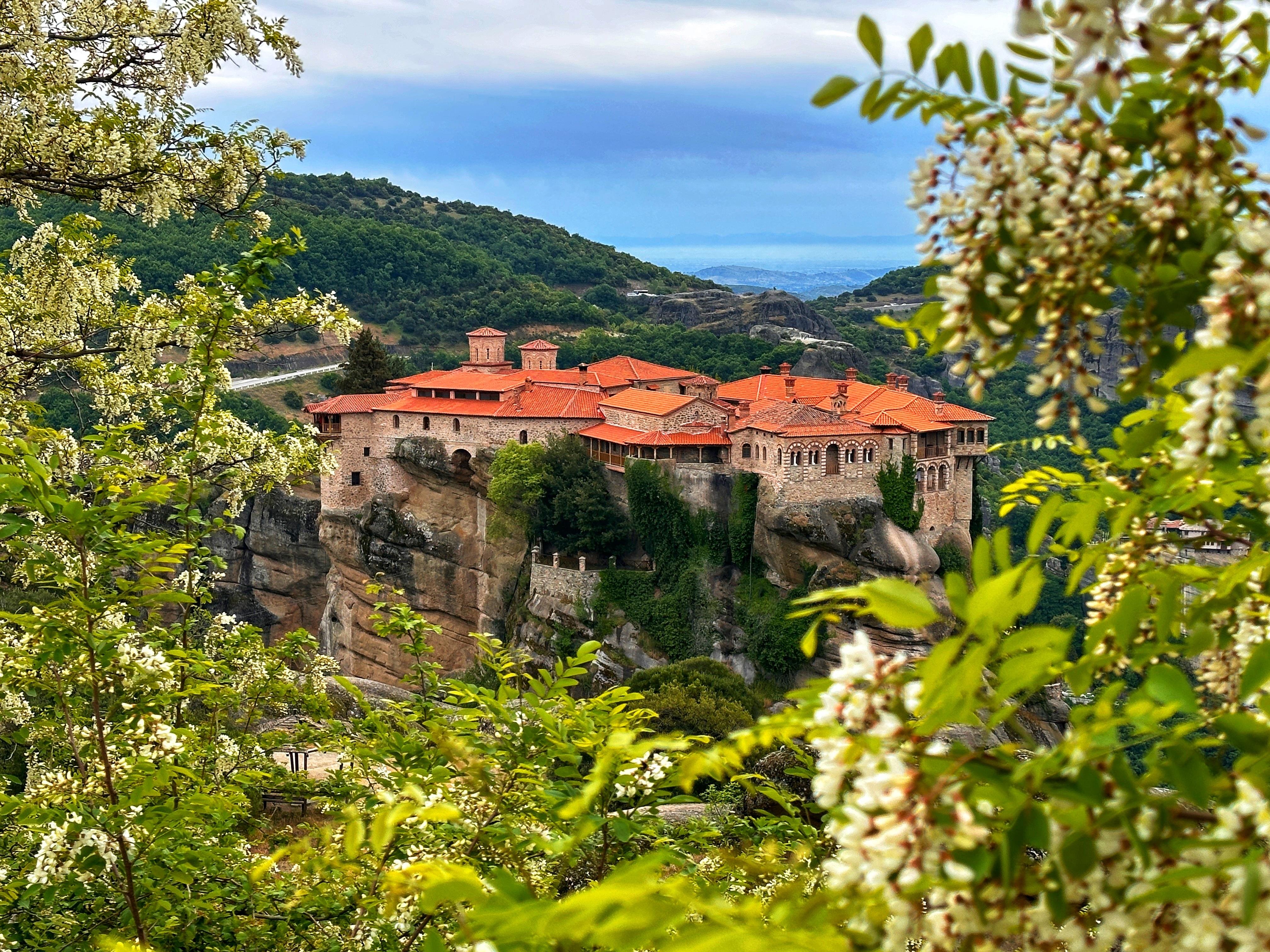
The journey from Athens covers 350 kilometres through Thessaly's plains, passing Thermopylae and Lamia before the road climbs into the Pindus foothills. Meteora excursions from Athens typically depart at dawn, arriving at Kalabaka by mid-morning when tour buses converge on the valley. The monasteries open at 09:00, and each charges a five-euro conservation fee collected at stone gatehouses that frame views across the Peneus River basin. Great Meteoron, the largest, requires 300 steps from the parking area; its museum holds illuminated manuscripts and the skull of founder Athanasios in a silver reliquary. Varlaam, perched on a neighbouring column, displays a sixteenth-century rope-winding mechanism and an ossuary stacked with monks' bones, a memento mori tradition continued until 1960.
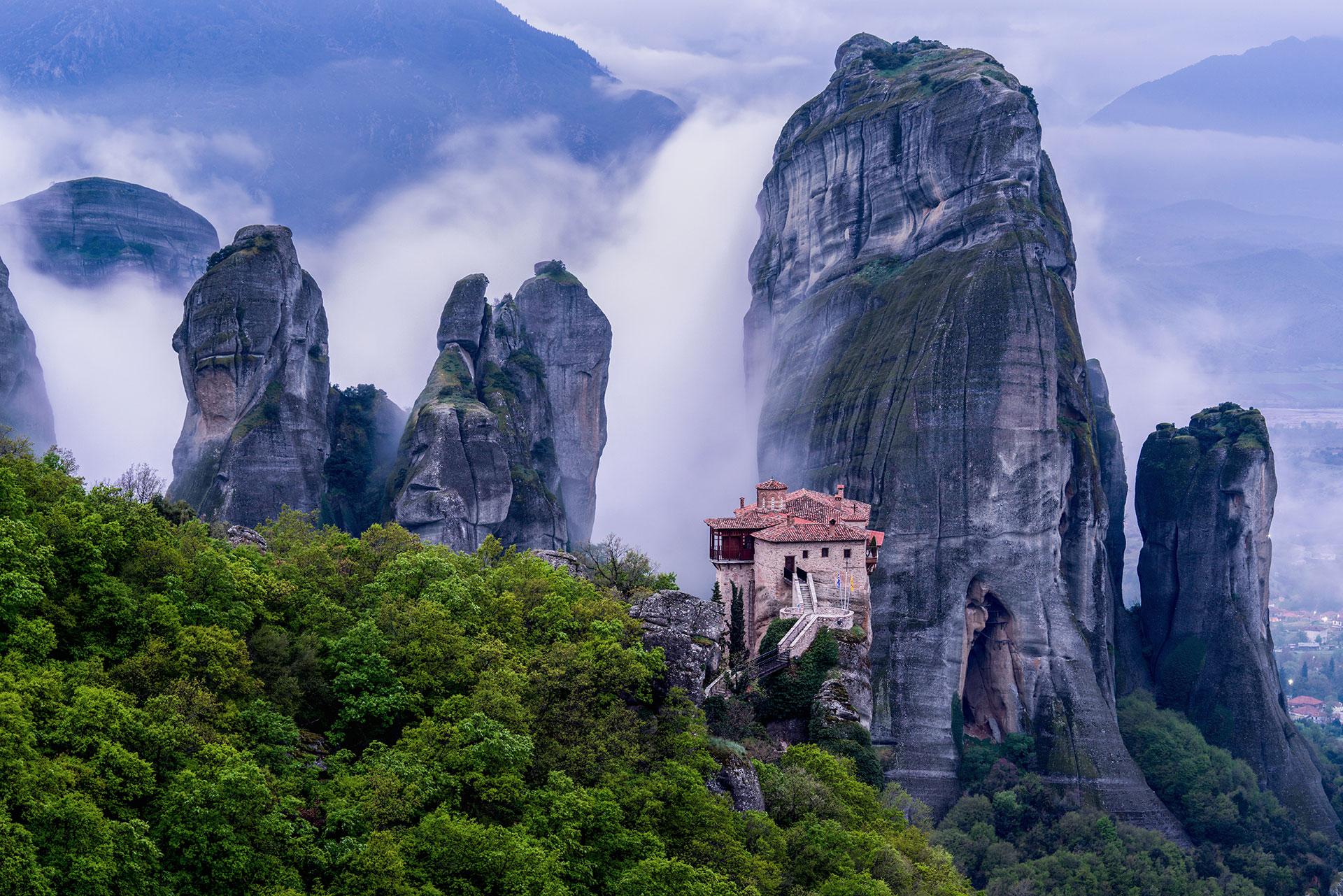
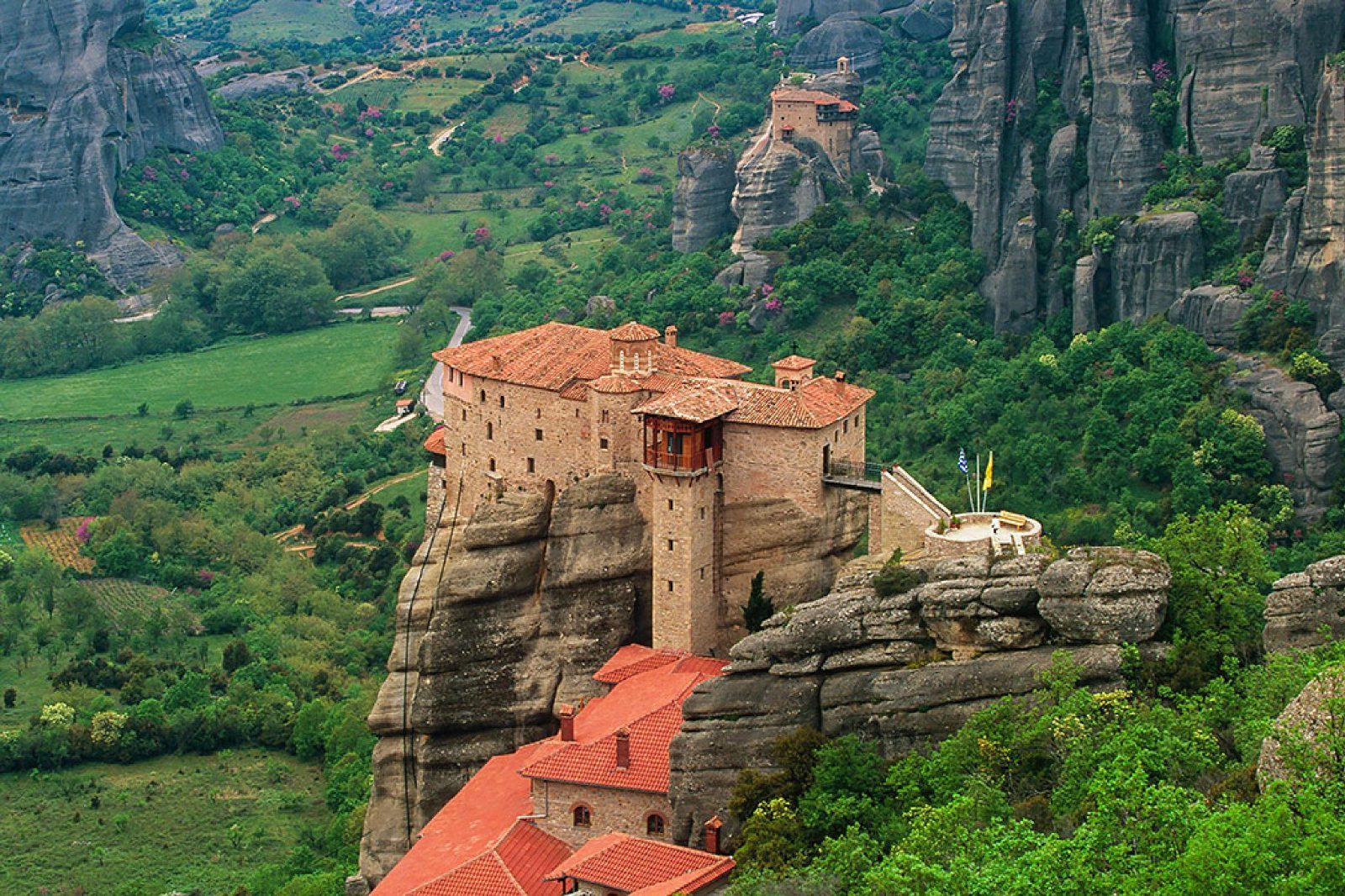
Architecturally, the katholikons follow the Athonite cross-in-square plan, their domes rising from octagonal drums painted Venetian red. Interior walls carry post-Byzantine frescoes depicting the Apocalypse and the Ladder of Divine Ascent, pigments still vivid in chambers that see limited daylight. Rousanou, a compact monastery now inhabited by nuns, clings to a narrow spire accessible via two footbridges; its courtyard garden yields herbs for the infirmary. The geology itself—Paleogene conglomerate eroded into isolated pillars—drew hermits seeking inaccessible refuges, and the same vertical drama now defines the visitor experience. A Meteora day trip from Athens by train offers an alternative route via Kalambaka station, where arrivals disembark three hours from Larissa and board shuttle vans for the six-kilometre ascent to the monastery zone.
By 1356, Athanasios Koinovitis had founded the Great Meteoron monastery atop the highest pillar, hauling timber and stone in rope baskets that still hang from iron hooks today.
Full refunds are available for cancellations made outside the 24-hour window. The 5 EUR conservation fee per person is non-refundable if booked as a pre-paid component of your meteora tour from athens.
Weather · crowds · average price — dots go green to amber to red as each metric rises.
Mild temperatures and vibrant wildflowers make paths comfortable for a meteora tour from athens.
Peak bus congestion occurs after 10:00, so aim for an early start.
The rock pillars of Meteora first drew hermit monks in the 9th century, fleeing persecution and seeking solitude in caves carved into the sandstone towers. These early ascetics climbed using removable ladders and rope systems, establishing a tradition of isolation that would define the region for a millennium. By the 11th century, a loose community of anchorites occupied the higher ledges, living without formal structures or monastic rule. The transformation came in 1344 when Athanasios Koinovitis, a monk from Mount Athos, scaled the highest pinnacle and founded the Great Meteoron monastery. He organized the scattered hermits into a cenobitic community, constructing the first permanent buildings using materials hauled up by windlass and net. His disciple Ioasaph, the son of Serbian king Simeon Uroš, expanded the complex in 1388, endowing it with land and manuscripts that survive in the monastery library today. The 15th and 16th centuries marked the golden age when twenty-four monasteries crowned the summits, their frescoes painted by masters of the Cretan School. Varlaam monastery rose in 1517 on the ruins of an earlier hermitage, its katholikon decorated by Frangos Katelanos in 1548. The Ottoman occupation paradoxically preserved Meteora tour from athens as the inaccessible heights offered refuge for Greek scholarship and religious continuity. Monks maintained their isolation through retractable ladders until 1922, when steps were finally carved into the rock faces. The German occupation during World War II saw some monasteries ransacked, but the remoteness again provided protection for resistance fighters and hidden archives. Only six monasteries remain active today, their populations dwindled from hundreds to handfuls of monastics. Road access arrived in the 1960s, transforming meteora tour from athens tours into a major pilgrimage and tourism destination. UNESCO recognition in 1988 brought conservation funding but also mass visitation that strains the medieval structures. The rope baskets that once hauled provisions now sit as museum pieces, replaced by paved paths and parking lots. Yet the 300 steps required to reach each summit preserve a fragment of the original ascetic challenge, and the painted saints on ancient walls still gaze down from heights where hermits once sought union with the divine.
Hermit monks first occupy caves in the Meteora rock formations
Athanasios Koinovitis founds Great Meteoron monastery on the highest pinnacle
Ioasaph expands Great Meteoron and endows it with land and manuscripts
Golden age sees twenty-four monasteries built, decorated by Cretan School masters
Varlaam monastery constructed on earlier hermitage ruins
First stone steps carved into rock faces, ending centuries of ladder-only access
Road access constructed, opening meteora tour from athens tickets to mass tourism
UNESCO designates Meteora a World Heritage Site for cultural and natural significance
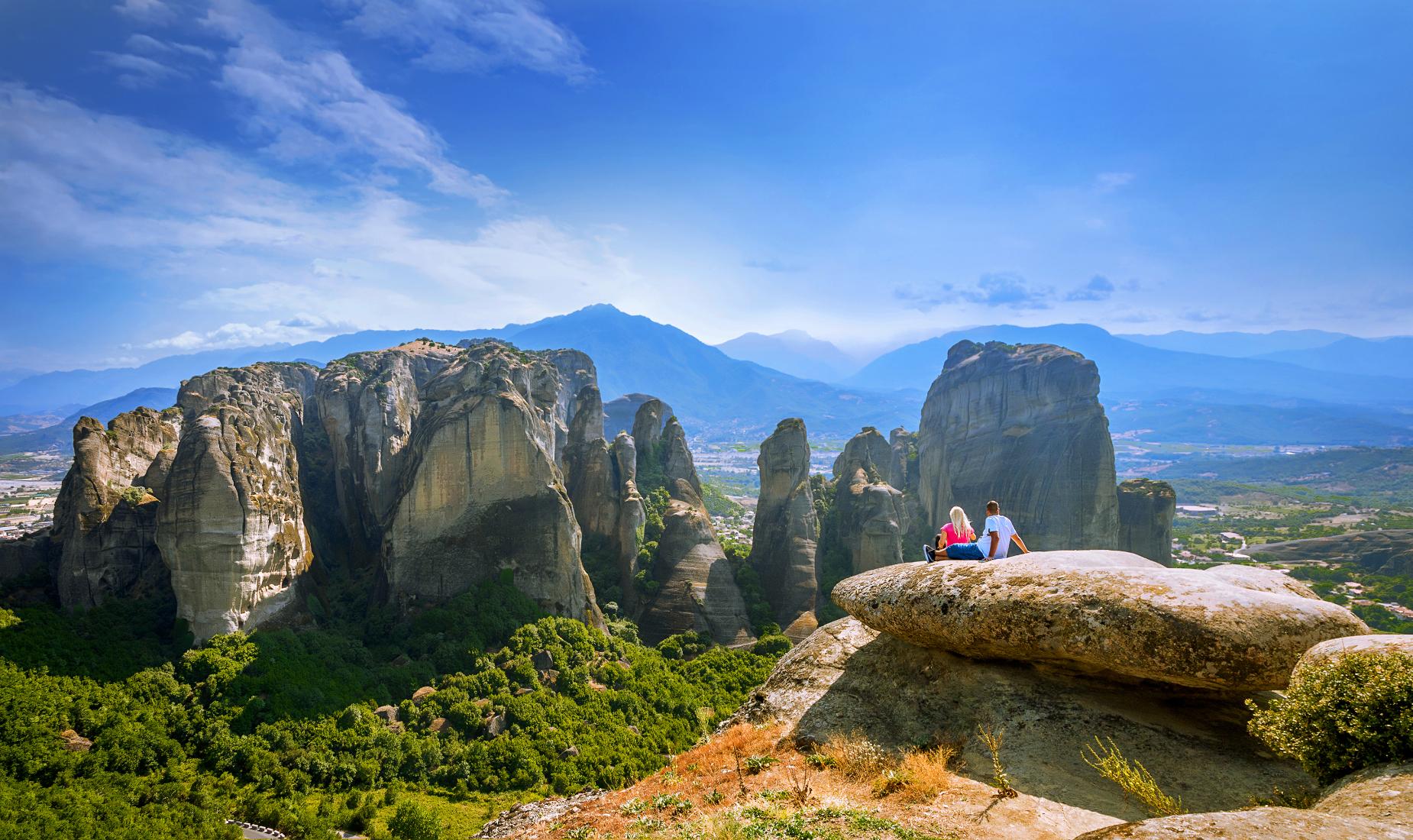
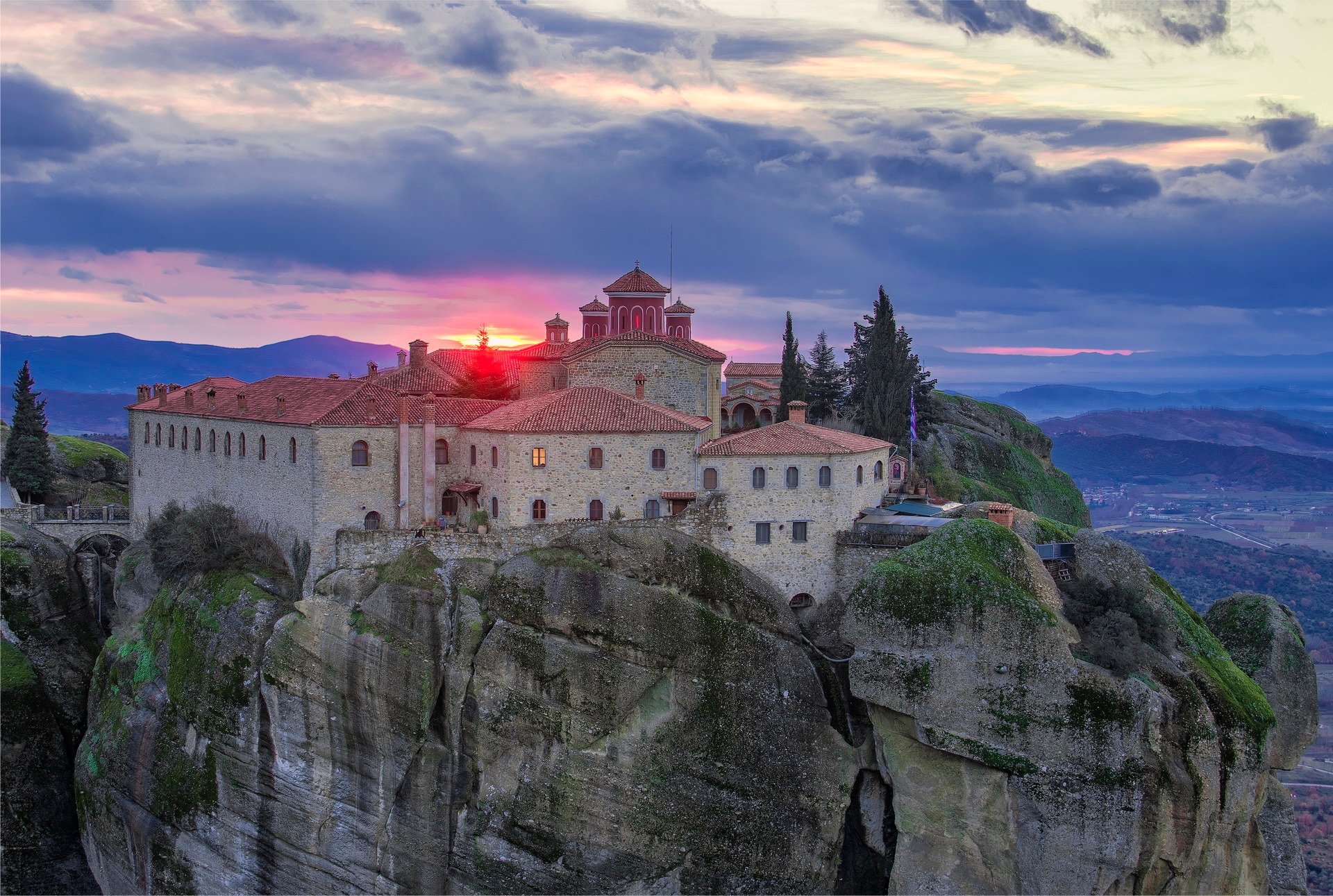
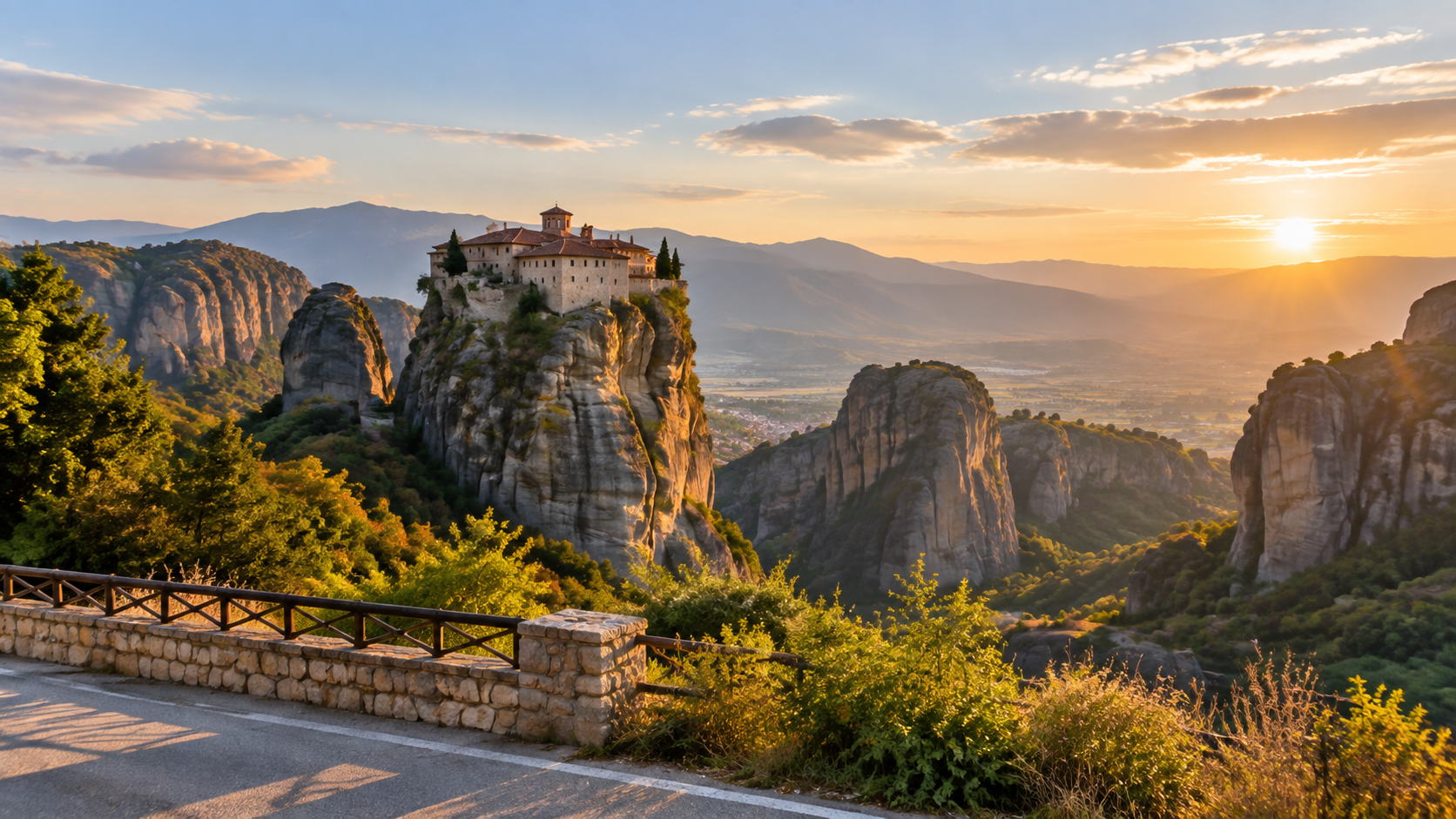
This panoramic spot offers a clear silhouette of the Grand Meteoron monastery against the Pindus mountains. Stand on the stone viewing platform to capture the massive rock pillars during your meteora tour from athens.
Position yourself on the main road turnout to frame the monastery as it perches precariously on its rock needle. This location provides the perfect scale for your meteora tour from athens tours photos.
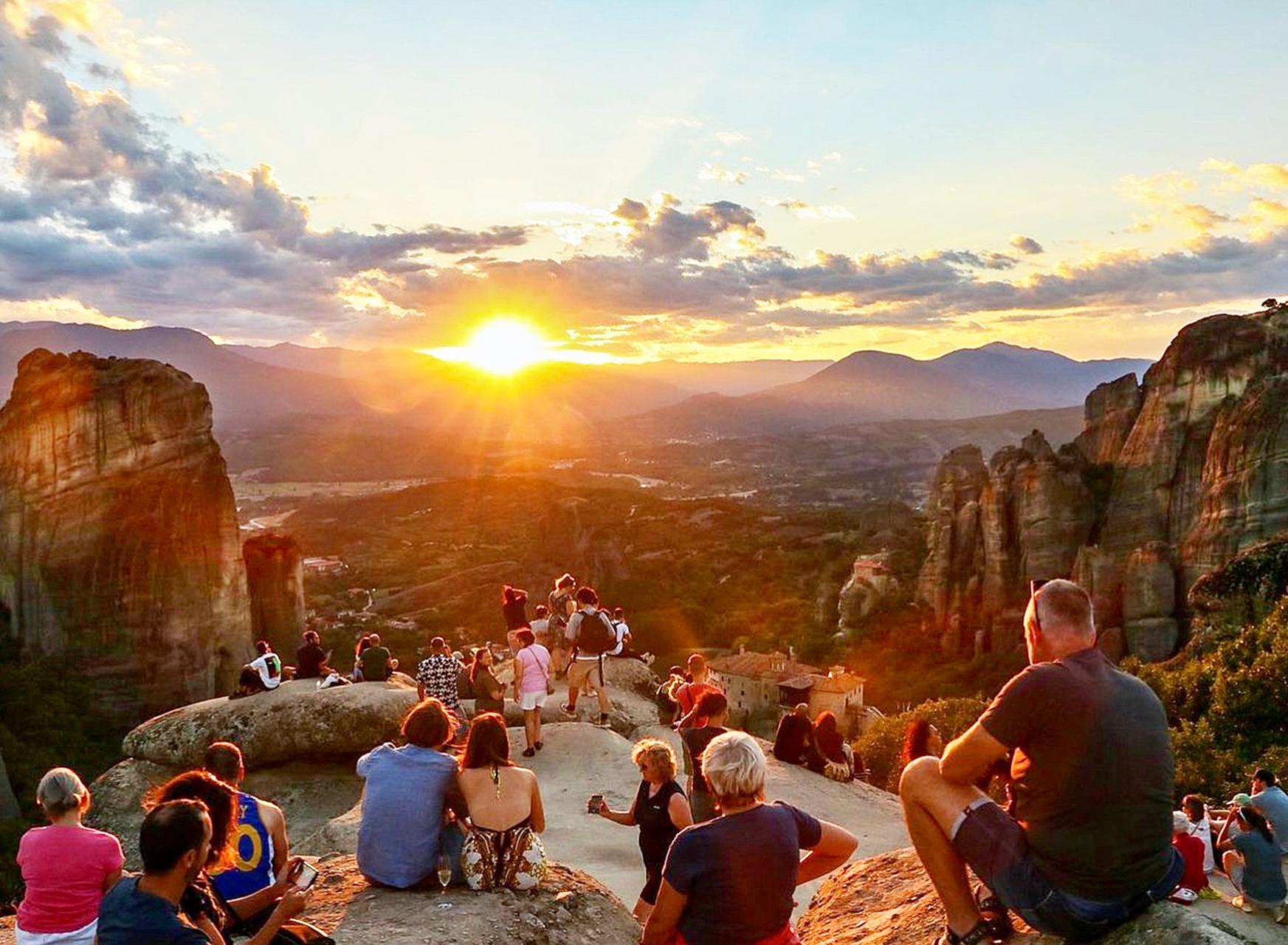
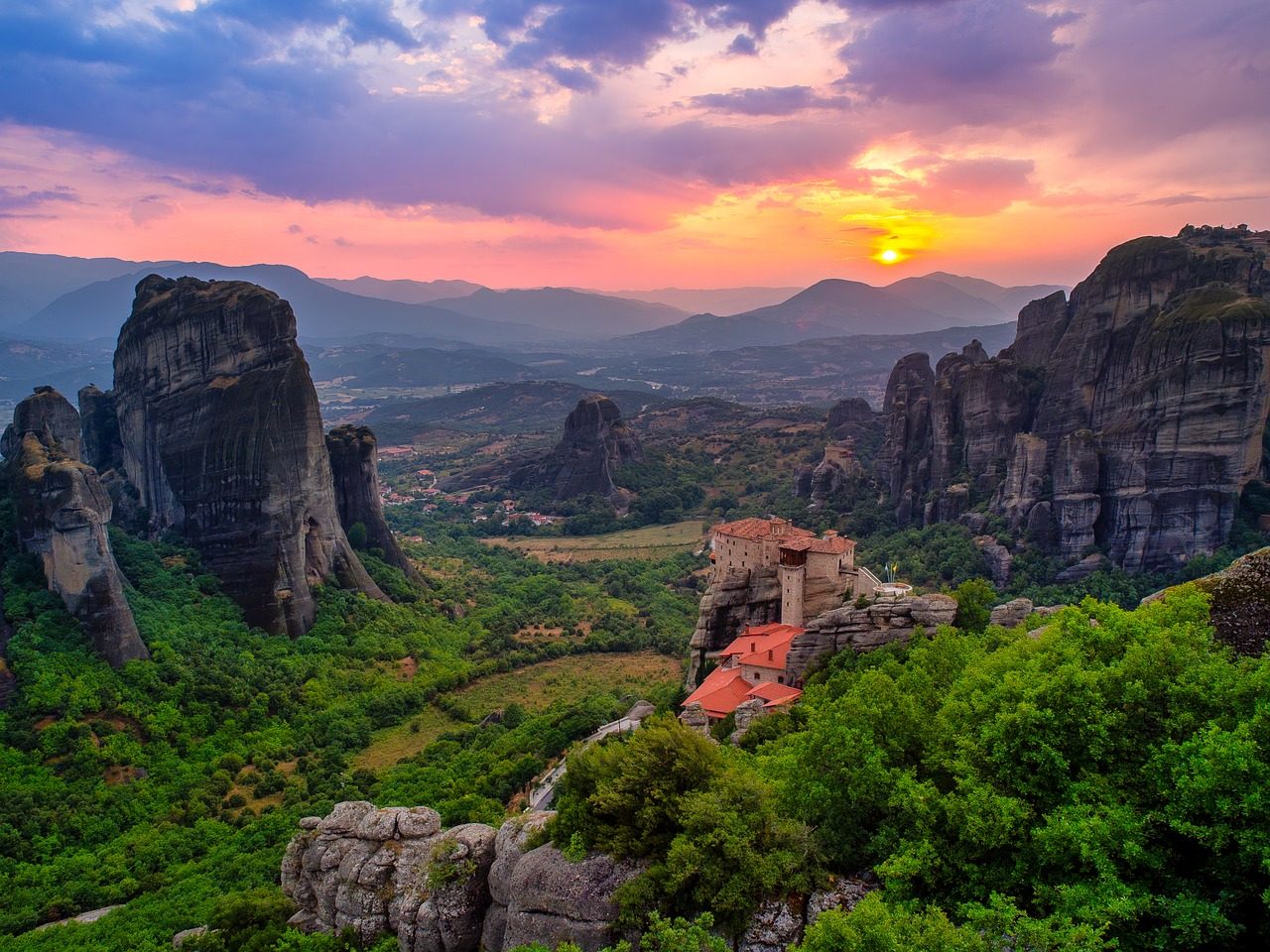
Located along the road between Kastraki and the monasteries, this natural sandstone ledge is the standard gathering place for wide shots. Many booking a meteora tour from athens tour use this wide-angle vista to capture the changing light on the UNESCO heritage landscape.
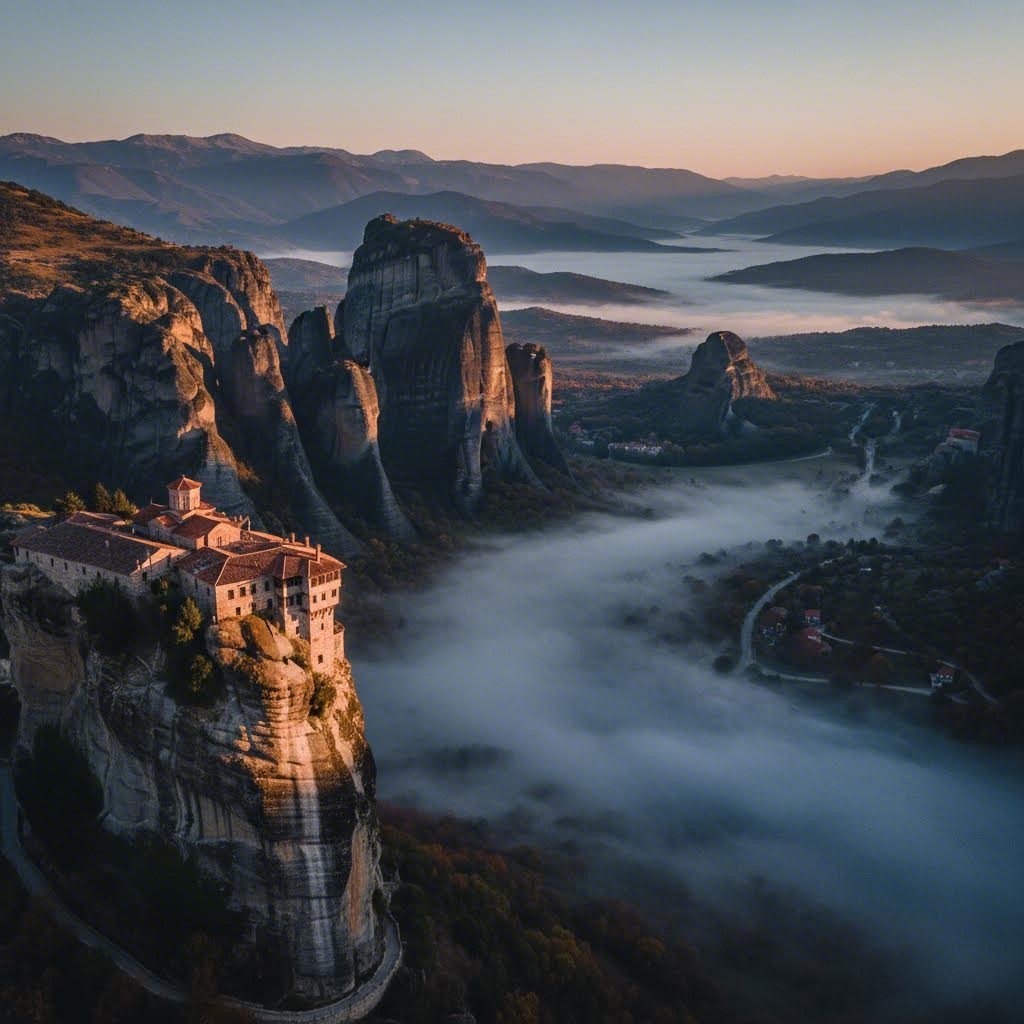
Follow the path toward the monastery entrance to find an angle where the building appears to float above the valley. This site requires navigating the local terrain, often included in a specialized meteora tour from athens tickets package.
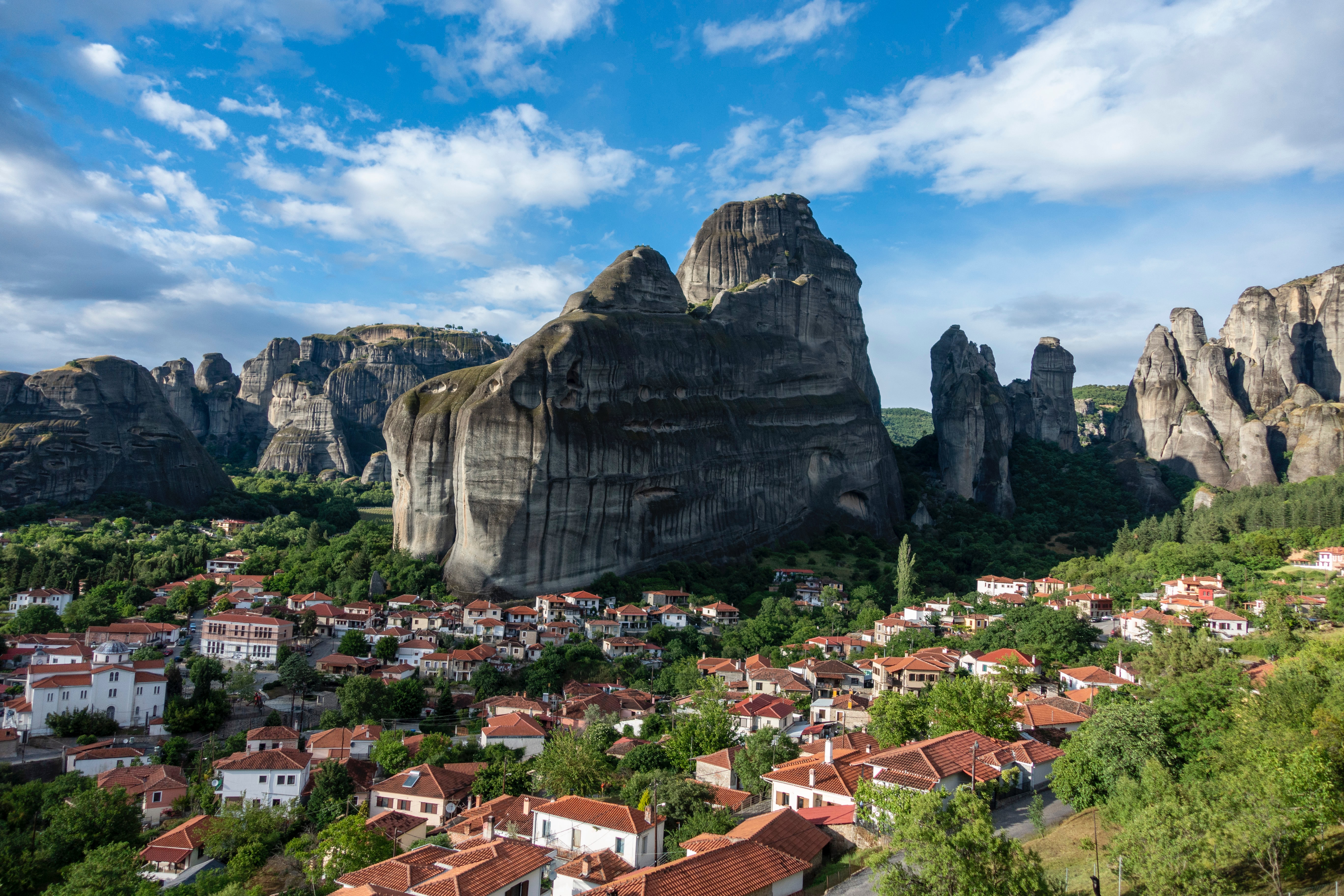
Most visitors on a meteora tour from athens find the best dining experiences in the town of Kalabaka or the adjacent village of Kastraki. These areas offer traditional Greek tavernas that are perfect for a relaxed meal after exploring the nearby UNESCO heritage landmarks.
Located between Kalabaka and Kastraki, this spot offers panoramic views of the rock formations and specializes in regional clay-pot dishes.
A family-run establishment in Kastraki serving slow-cooked lamb and charcoal-grilled meats, ideal for those seeking authentic hospitality after their meteora tour from athens tour.
Operating since 1925 in Kalabaka, this long-standing venue is a convenient stop for traditional stews and pies before using your meteora tour from athens tickets for monastery entry.
Situated near the central square of Kalabaka, this restaurant provides a shaded terrace perfect for enjoying local wine and hearty Mediterranean comfort food as part of your larger meteora tour from athens tours.
Everything you need to know for your journey
Yes, modest dress covering shoulders and knees is required; trousers are not allowed for women.
There are approximately 300 steps leading up to the main monasteries.
Photography is forbidden inside church interiors but allowed in the courtyards.
There are various restaurants in the nearby towns of Kalabaka and Kastraki, but no food is served inside the monuments.
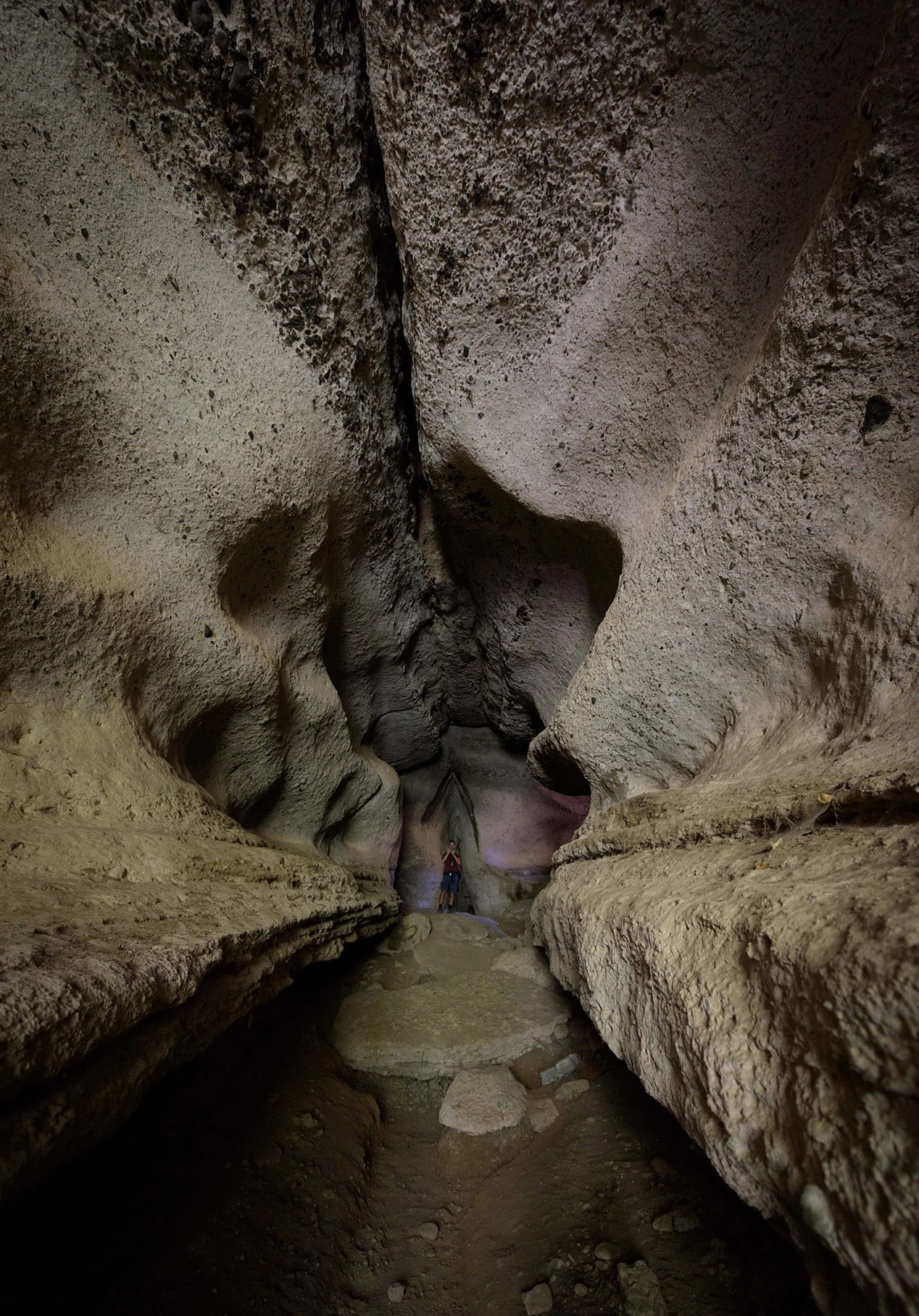
An archaeological site featuring prehistoric human remains in a vast rock shelter.
Upscale hotel with views of the sandstone pillars.
Join thousands of happy travelers who have discovered this incredible experience
Book Your Experience Now